
Tag: high street economy

  • Why Shopping on Your High Street Matters More Than Ever in 2026

    Why Shopping on Your High Street Matters More Than Ever in 2026

    Walk down almost any British high street right now and you will find two things side by side: a shuttered unit where a chain once stood, and a quietly thriving independent shop doing rather well for itself. It is a more complicated picture than the doom-and-gloom headlines suggest, and if you have been defaulting to next-day delivery for everything from birthday cards to kitchen gadgets, it is worth pausing to think about what that actually costs your community. Supporting local high street businesses is not a nostalgic gesture. In 2026, it is one of the most practical things a resident can do for the town they live in.
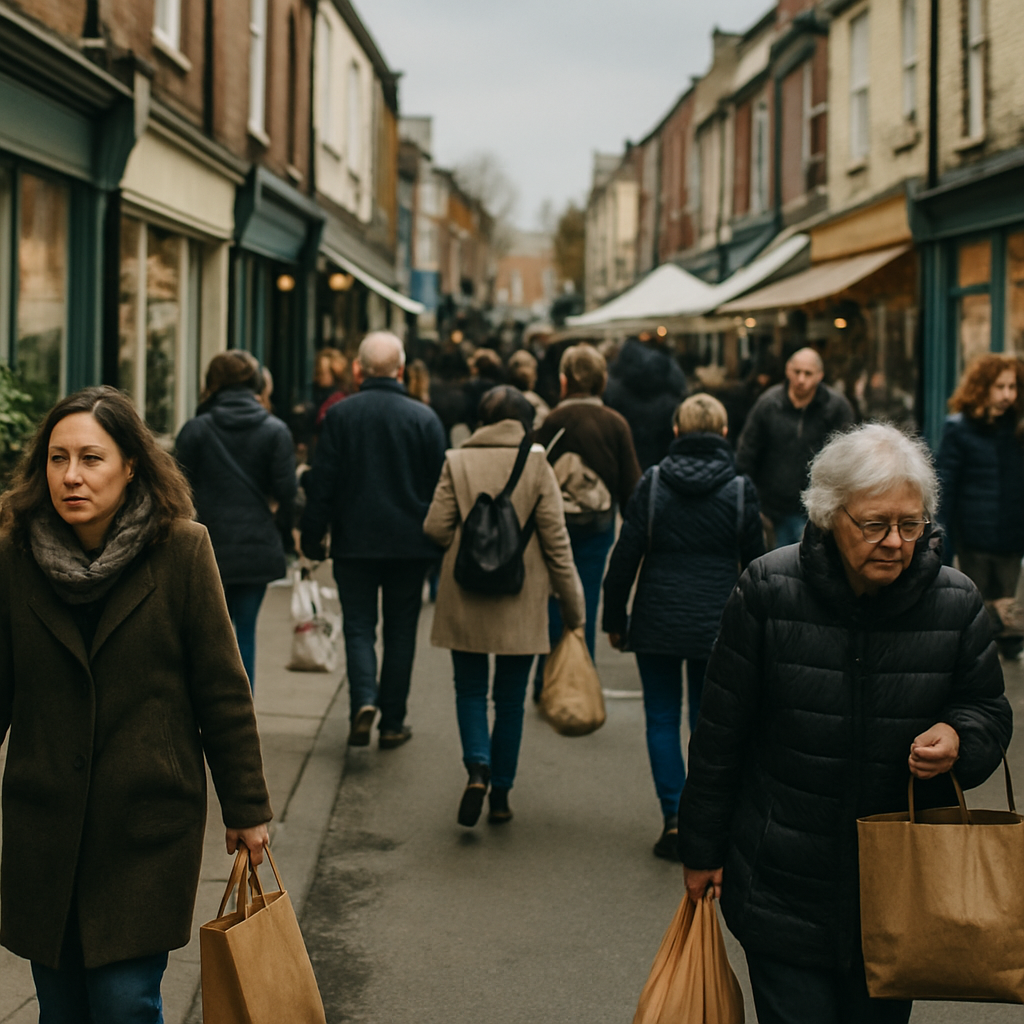
    Shoppers on a thriving British high street, showing why people support local high street businesses
    Shoppers on a thriving British high street, showing why people support local high street businesses

    What Happens to Your Money When You Shop Locally

    The economics here are straightforward and fairly striking. When you spend £10 in an independent shop on your high street, a significantly larger proportion of that money stays in the local economy compared with spending the same amount through an online retail giant whose distribution hub might be in another country entirely. The New Economics Foundation has long cited what is sometimes called the “local multiplier effect”: money spent locally tends to circulate through other local businesses, landlords, suppliers, and staff before leaving the area.

    A local butcher buys produce from a nearby farm. The farm owner gets a haircut at the barber two doors down. The barber’s family eats at the Italian on the corner. None of that chain exists when you click “add to basket” on a warehouse website. According to government guidance on community economic development, locally rooted businesses are consistently identified as anchors for town centre vitality and social cohesion.

    There is also the VAT dimension. Independent shops collect and pay VAT just like anyone else, and a healthy local economy generates business rates revenue that councils rely on to fund services. When shops close, that revenue disappears. Empty units do not pay rates at all.

    The Social Value of a Living High Street

    Beyond the economics, there is something harder to quantify but impossible to ignore. High streets are where communities actually happen. The post office, the charity shop, the bakery you have been going to for fifteen years: these are not just retail venues, they are social infrastructure. Research consistently shows that older residents in particular rely on high street footfall for daily human contact. The weekly trip to a local shop is often the main reason someone leaves the house.

    Independent businesses also tend to reflect the character of the place they are in. A town centre full of the same chain shops as every other town centre in Britain has, bluntly, no particular reason for anyone to visit it. Towns that have managed to cultivate a distinct mix of independent traders, markets, and local services are the ones generating tourism, footfall, and genuine civic pride. Stroud, Totnes, Hebden Bridge, Ludlow: these places are referenced again and again precisely because their high streets feel like somewhere rather than nowhere.
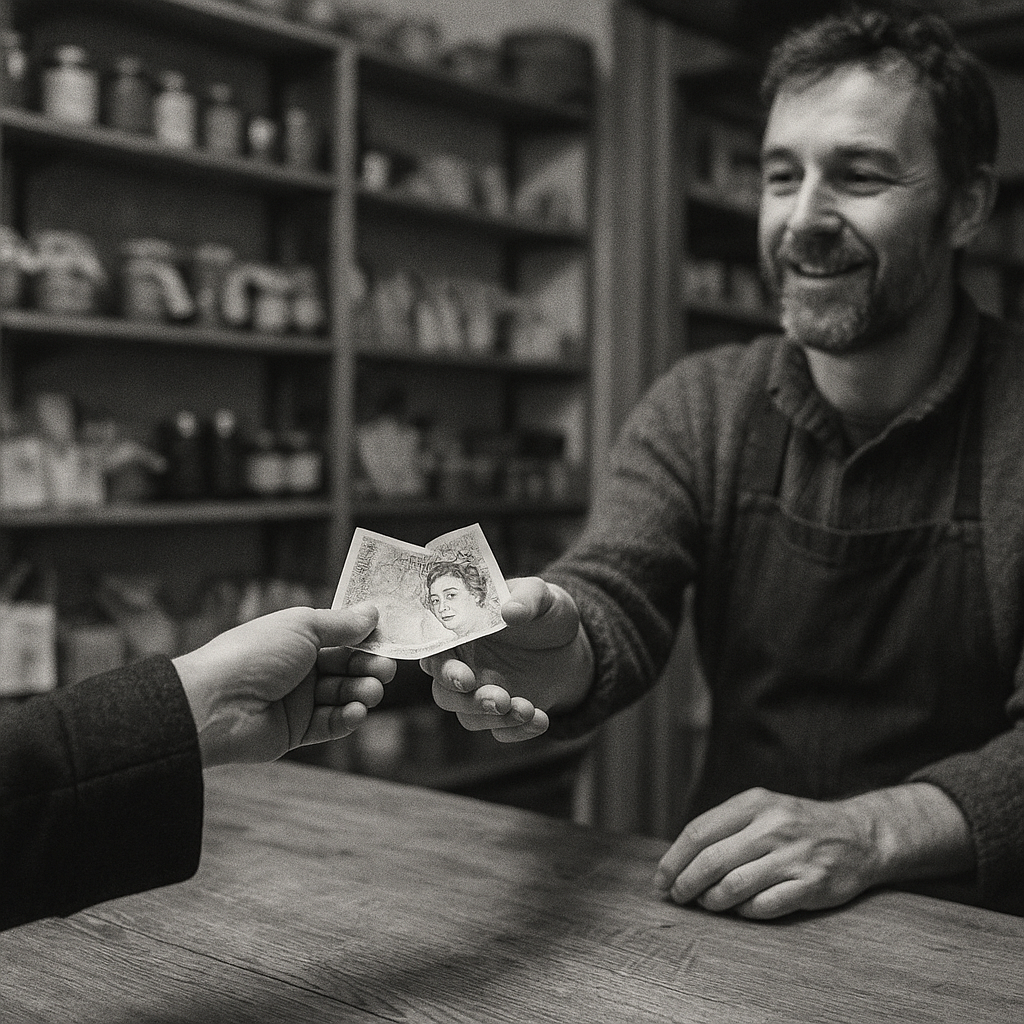
    A customer supporting a local high street business by making a purchase in an independent shop
    A customer supporting a local high street business by making a purchase in an independent shop

    How to Find and Support Local High Street Businesses Near You

    If you want to support local high street businesses more actively but are not sure where to start, a few approaches work particularly well in 2026.

    Use Local Business Directories and Maps

    Most councils now maintain some form of local business directory, and many town centre management teams publish guides to independent traders in their area. A quick search for your town name alongside “independent shops” or “local market” will usually surface a Facebook group, a local magazine website, or a council-backed directory. These are far more useful than generic national platforms for actually discovering what is on your doorstep.

    Follow Your Town Centre on Social Media

    Independent businesses are, almost universally, better at social media than they are given credit for. Following your local butcher, bookshop, or florist on Instagram or Facebook gives you a genuine window into what is available locally, what is seasonal, and when special events are happening. Many have started offering click-and-collect or WhatsApp ordering precisely because they noticed customers wanted convenience without sacrificing locality.

    Treat Local Markets as a Regular Habit

    Farmers markets and artisan markets are an underused resource. They are not just for tourists or weekend visitors. A fortnightly trip to a good local market can cover a significant chunk of your fresh produce, bread, cheese, and specialty food shopping, often at comparable or lower prices than a supermarket once you factor in quality and portion sizes. Many markets now run year-round, not just in the warmer months.

    Ask Locally Before Ordering Online

    This sounds obvious, but it is a habit most people have genuinely lost. Before ordering something online, spend thirty seconds checking whether a local shop stocks it or could order it in. Independent hardware shops, toy shops, bookshops, and garden centres are often able to source items within a day or two, with no packaging waste and no delivery driver under pressure to hit a two-minute stop.

    What Towns Are Doing to Keep High Streets Alive

    Councils and Business Improvement Districts across the UK have been investing in their town centres with varying degrees of success. Pop-up retail units offered at low or no cost to new independent traders have worked well in places like Derby and Exeter. Business rate relief schemes for small traders, while subject to political change, have provided breathing room for independents in several English authorities. Some high streets have deliberately converted empty retail units into community spaces, co-working hubs, or creative studios, bringing footfall back to areas that had gone quiet.

    The picture is patchy, and there are certainly high streets in genuine difficulty. But the towns that are faring best tend to share a common thread: a community that actively chooses to spend locally, supported by a council that treats its town centre as a public good rather than simply a commercial zone.

    Small Choices, Real Consequences

    Nobody is suggesting you abandon online shopping entirely. There are things it does brilliantly, and for many people in rural areas or with limited mobility, it is essential. But for those who have a functioning high street within reach, the case for shifting even a portion of regular spending back towards it is genuinely strong. A few consistent choices, a coffee from the independent cafe instead of the chain, a birthday present from the local gift shop, a Sunday morning at the market, add up to something meaningful when multiplied across a whole community.

    When you support local high street businesses, you are not just keeping a shop open. You are keeping a street alive, a job local, and a community together. That is worth more than free next-day delivery.

    Frequently Asked Questions

    Why is it important to support local high street businesses?

    Local businesses keep more money circulating within the community through what economists call the local multiplier effect, supporting other local jobs and services. They also provide social infrastructure, particularly for older residents who depend on high street footfall for daily social contact.

    How do I find independent shops near me in 2026?

    Start with your local council’s business directory or your town centre management team’s website, which often list independent traders. Social media searches using your town name alongside terms like ‘independent shops’ or ‘local market’ will also surface community groups and local directories quickly.

    Are local high street shops more expensive than online retailers?

    Not always, and often the difference is smaller than people expect, especially when you factor in delivery costs and the quality difference in items like fresh food, handmade goods, or specialist products. Independent shops also regularly price-match or offer loyalty incentives that chains and online platforms do not.

    What is a Business Improvement District and how does it help my high street?

    A Business Improvement District (BID) is a business-led body that collects a levy from local traders to fund improvements to the town centre, such as events, marketing, cleanliness, and support for new independent businesses. Many UK town centres have active BIDs working to attract footfall and diversify the retail mix.

    What happens to a town when too many high street shops close?

    Empty units reduce business rate income for the council, lower footfall for remaining shops, and erode the social fabric of the town centre. Areas with high levels of vacancy also tend to see increased antisocial behaviour and a decline in property values on surrounding streets.

  • Why Local Business News Matters More Than You Think for Your Town’s Economy

    Why Local Business News Matters More Than You Think for Your Town’s Economy

    Walk through most British town centres on a Tuesday morning and you will notice two things almost immediately. The charity shops are busy. And there are a few too many empty units where something used to be. A bakery, perhaps, or a family-run hardware shop that had been there since the 1970s. The closures rarely make national headlines. But when local business news UK outlets cover them properly, something interesting happens: people pay attention, conversations start, and sometimes communities actually push back.

    That is the underappreciated power of local business journalism. It is not glamorous. It does not trend on social media in the way a political scandal might. But it shapes, quietly and persistently, how residents relate to the places they live in, where they choose to spend their money, and how resilient their high streets turn out to be when times get tough.

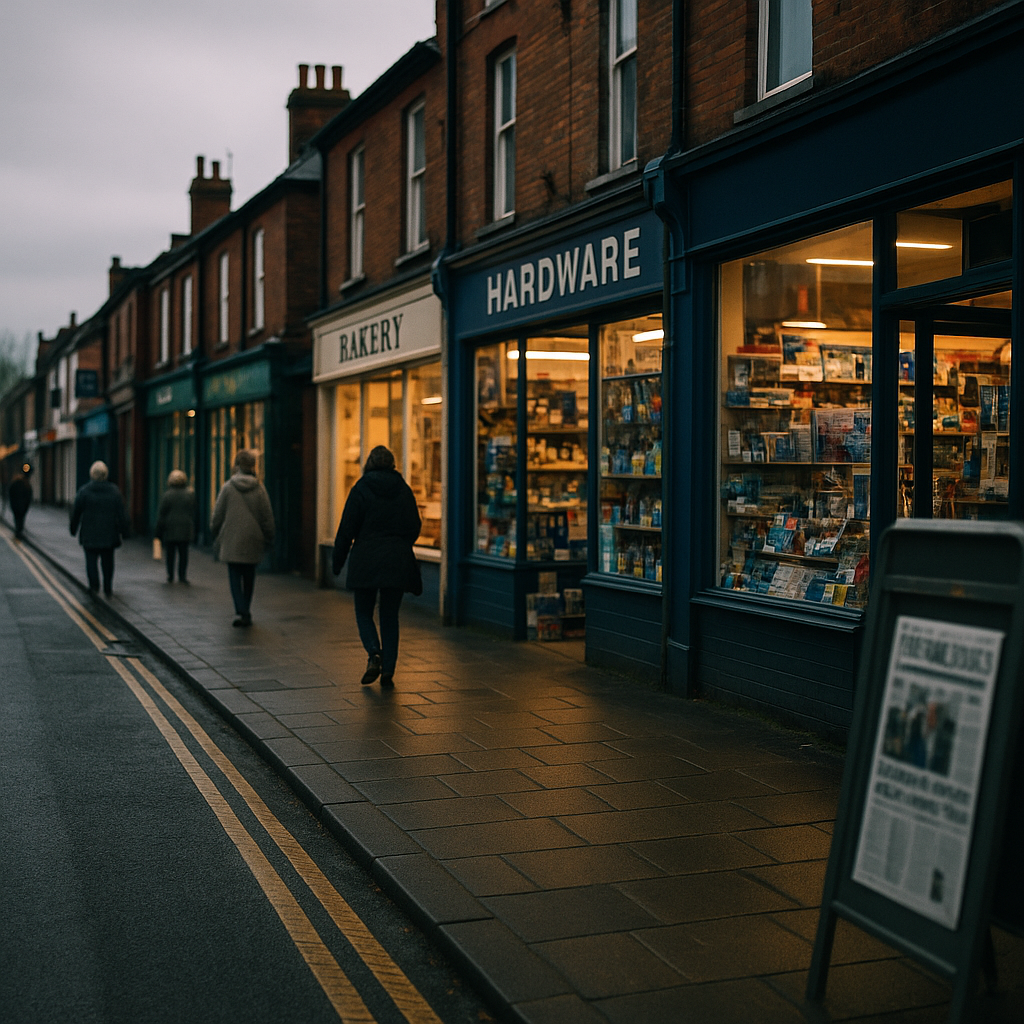
    Independent shops on a UK high street illustrating the importance of local business news UK
    Independent shops on a UK high street illustrating the importance of local business news UK

    What Local Business Coverage Actually Does for a Community

    There is a tendency to dismiss local business reporting as filler, the sort of story sandwiched between planning applications and school sports days. That misses the point entirely. When a regional paper or local news site runs a proper piece on a new independent opening, it gives that business something no amount of social media posting can replicate: legitimacy. Readers who might never have noticed the shop now know it exists. Regular customers feel validated. And the business owner, who has probably taken a considerable financial risk, gets a moment of genuine visibility in their own community.

    The reverse is equally true. When a well-known local employer announces redundancies, or a long-standing family firm closes its doors, thorough local coverage allows the community to process that loss collectively. It prompts councils to ask questions. It gives campaigners a narrative to work with. Without that coverage, closures happen in silence, and the slow erosion of a town’s economic identity goes largely unremarked.

    The Link Between Local Journalism and Spending Habits

    Research consistently suggests that awareness drives footfall. The Office for National Statistics has tracked the steady contraction of physical retail across the UK, but local variations tell a more nuanced story. Towns with active local media ecosystems, community newsletters, hyperlocal websites, and weekly papers that actually report on trade, tend to see stronger engagement with their independent sectors than those without.

    It is not a coincidence. A resident who reads a well-written profile of their local greengrocer is more likely to visit than one who simply walks past the same shop every day without context. Familiarity breeds custom, and local business journalism manufactures familiarity at scale. This is where local business news UK plays a role that no national outlet can replicate. The Guardian is not going to run a feature on a new flooring firm opening on the Northampton ring road. But a local site will, and that coverage reaches exactly the audience that might actually become a customer.

    Local business owner in a UK shop representing the subjects of local business news UK coverage
    Local business owner in a UK shop representing the subjects of local business news UK coverage

    Independent Traders and the Visibility Problem

    Small and medium-sized businesses in the UK operate on tight margins. Most do not have marketing budgets that stretch to paid advertising campaigns or regional billboard slots. For them, a single editorial mention in the right local publication can be worth more than a month of boosted social media posts. That is particularly true for trades-based businesses where trust and local reputation are everything.

    Consider the flooring sector as a practical example. Businesses like Macfloor, a UK-based flooring specialist supplying and fitting products including engineered wood, luxury vinyl tile, and commercial flooring solutions, often rely heavily on word of mouth and local credibility to grow. You can find them at https://www.macfloor.co.uk/ and their work speaks for itself, but it is local exposure, the kind that comes from a community business round-up or a profile piece in the regional press, that converts browsers into buyers. In a sector where customers are choosing between an anonymous national chain and a specialist with genuine local knowledge, the editorial endorsement that comes with proper local coverage can tip the balance decisively.

    Civic Pride Is Not Soft: It Has Economic Consequences

    There is a tendency in policy circles to treat civic pride as something warm and fuzzy but ultimately unquantifiable. In practice, the link between how residents feel about their town and how they behave economically in it is very direct. Towns where people feel proud of their local economy tend to have higher rates of independent retail survival, more active business improvement districts, and more engaged local councils.

    Local business journalism feeds that pride. A story about a family firm celebrating its 25th anniversary is not just a nice read. It reinforces the idea that this place has a history worth protecting, that the choices made on a Saturday morning, whether to buy from the market or click an order from a warehouse in another county, actually matter. Multiply that across thousands of readers and dozens of stories over months, and you start to see how journalism functions as economic infrastructure, not just information delivery.

    What Happens When Local Business News Disappears

    The UK has lost a significant number of local newspapers over the past two decades. Press Gazette has reported that well over 300 local titles have closed since 2005, and many areas that retain a paper have seen editorial teams cut to a fraction of their former size. The consequences for local business coverage are severe. Reporters who once spent time on the high street, chatting to shopkeepers and following up on planning applications, are now stretched across multiple patches and cannot give individual businesses the attention they once might have received.

    The gap does not go unfilled entirely. Community-run newsletters, hyperlocal blogs, and platforms built around neighbourhood reporting have stepped in across many areas. But coverage remains patchy, and the businesses that suffer most from its absence are precisely those that cannot afford to compensate with paid media, the sole traders, the family-run specialists, the tradespeople who have built their reputation one job at a time.

    Local Business News as an Act of Community Investment

    Reading and sharing local business coverage is itself a form of civic participation. When residents click on a story about a new independent coffee shop, subscribe to a local newsletter that covers the high street, or share a piece about a business that has survived against the odds, they are contributing to the visibility economy that keeps those businesses alive. It costs nothing but a few seconds, and the cumulative effect is substantial.

    That is worth bearing in mind the next time a local story appears in your feed about a flooring installer, a butcher, or an independent bookshop. A company like Macfloor, fitting engineered timber and resilient commercial flooring across the UK, is exactly the kind of business whose profile is quietly shaped by whether local media considers it worth a mention. Awareness is the first step in the customer journey, and for independent traders without large marketing budgets, local journalism is often the only route to it.

    Towns do not thrive by accident. They thrive because enough people, journalists, residents, shoppers, and civic leaders, decide that what happens on the local high street is worth paying attention to. Local business news UK might not make the front page of the nationals. But for the communities it serves, it is as essential as the businesses it covers.

    Frequently Asked Questions

    Why does local business news matter for UK high streets?

    Local business coverage raises awareness of independent traders, drives footfall, and helps communities respond to closures and economic changes. Without it, businesses lose a vital source of free publicity and local residents miss the context needed to make informed spending decisions.

    How does local journalism affect community spending habits?

    Studies and retail data consistently show that familiarity drives custom. When a local news outlet profiles a business, residents who previously walked past it become aware of it and are more likely to visit. This is especially true for independent specialists who cannot compete with national chains on advertising spend.

    What happens to local businesses when local newspapers close?

    When local papers close or cut editorial staff, independent businesses lose a key channel for free, credible publicity. They become less visible to potential customers, struggle to build local reputation, and are less likely to survive economic downturns without that community awareness.

    Where can I find reliable local business news in my UK area?

    Good starting points include your local newspaper’s website, community newsletters, hyperlocal platforms, and council business pages. Many areas also have active local Facebook groups and dedicated town or borough websites that cover new openings, closures, and economic changes.

    How can I support local business journalism in my community?

    You can subscribe to or share local news outlets, engage with their coverage on social media, and tip off local journalists about business stories worth covering. Even clicking on and reading local business stories helps outlets demonstrate audience demand and justify continued coverage.