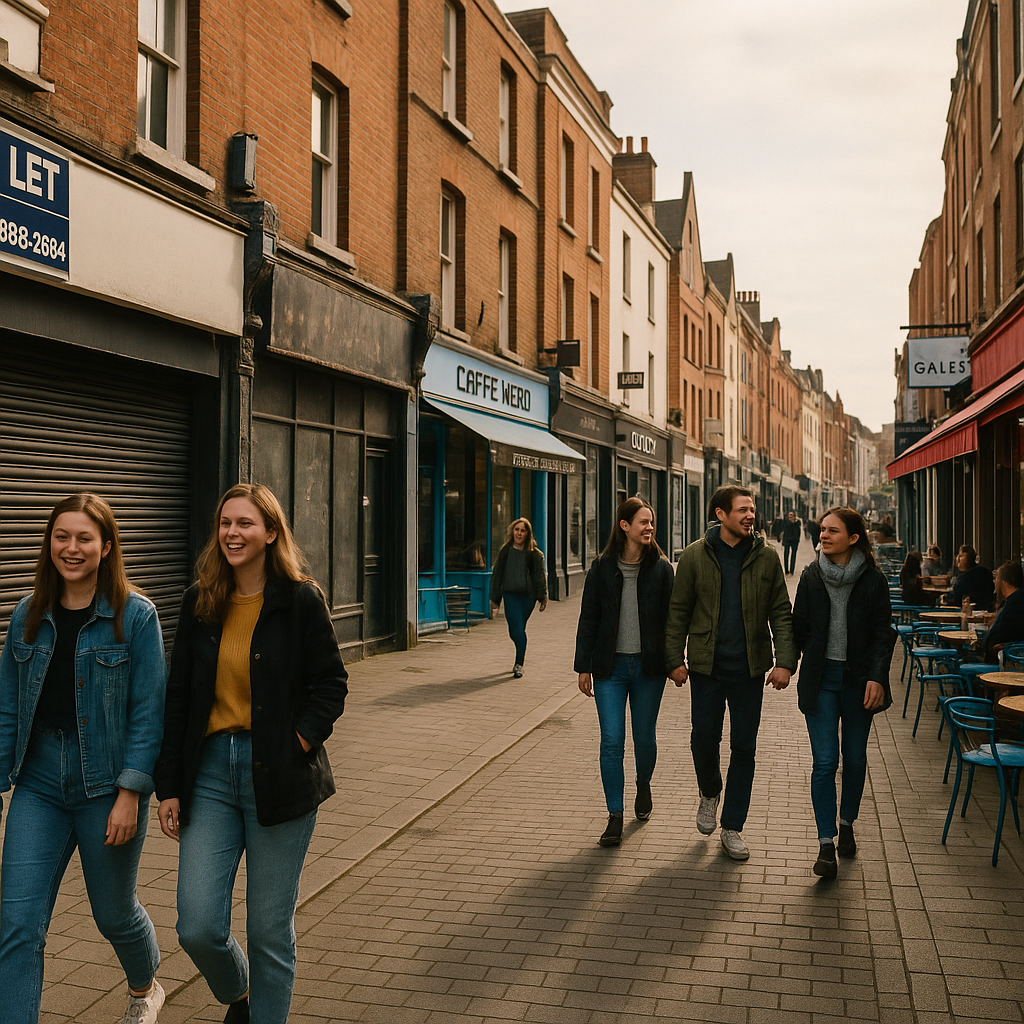
Across towns and suburbs, high street shop and bank closures are changing the face of local centres. Familiar branches and long-standing independents have disappeared, replaced by shutters, to-let boards and temporary pop-ups. Behind each closure sits a mix of rising costs, changing habits and shifting priorities for both councils and landlords.
Why high street shop and bank closures are accelerating
The most visible losses have been bank branches. As more customers manage their money online or through apps, footfall at local branches has dropped. Banks, under pressure to cut costs, have responded by consolidating services into fewer locations, often leaving smaller parades without any physical presence.
Retailers face a similar squeeze. Business rates, energy bills and staffing costs have climbed, while many shoppers now mix online orders with occasional in-person visits. For small independents, that combination can be difficult to survive, especially on streets where passing trade has already thinned out.
Landlords are not immune either. Some bought properties when values were high and now rely on rents that local traders simply cannot afford. Others are tied up in complex ownership structures, slowing decisions and leaving units empty for months at a time.
Council regeneration plans and new roles for high streets
In response, councils are rethinking what a successful high street looks like. Instead of relying on rows of traditional shops and banks, regeneration plans increasingly focus on mixed use: homes above, services and social spaces below.
Some authorities are buying vacant buildings outright to bring them back into use. Others are offering business rate relief, flexible leases or grants for refurbishing tired units. Public realm improvements are common – new paving, planting, lighting and seating – to make streets more welcoming and encourage people to linger.
There is also a growing emphasis on essential services. Health hubs, libraries, advice centres and community kitchens are all being brought into central locations, filling gaps left by high street shop and bank closures and keeping footfall in the area throughout the day.
What is realistically set to move into empty units?
Despite the challenges, empty premises rarely stay vacant forever. The pattern of replacements is becoming clearer:
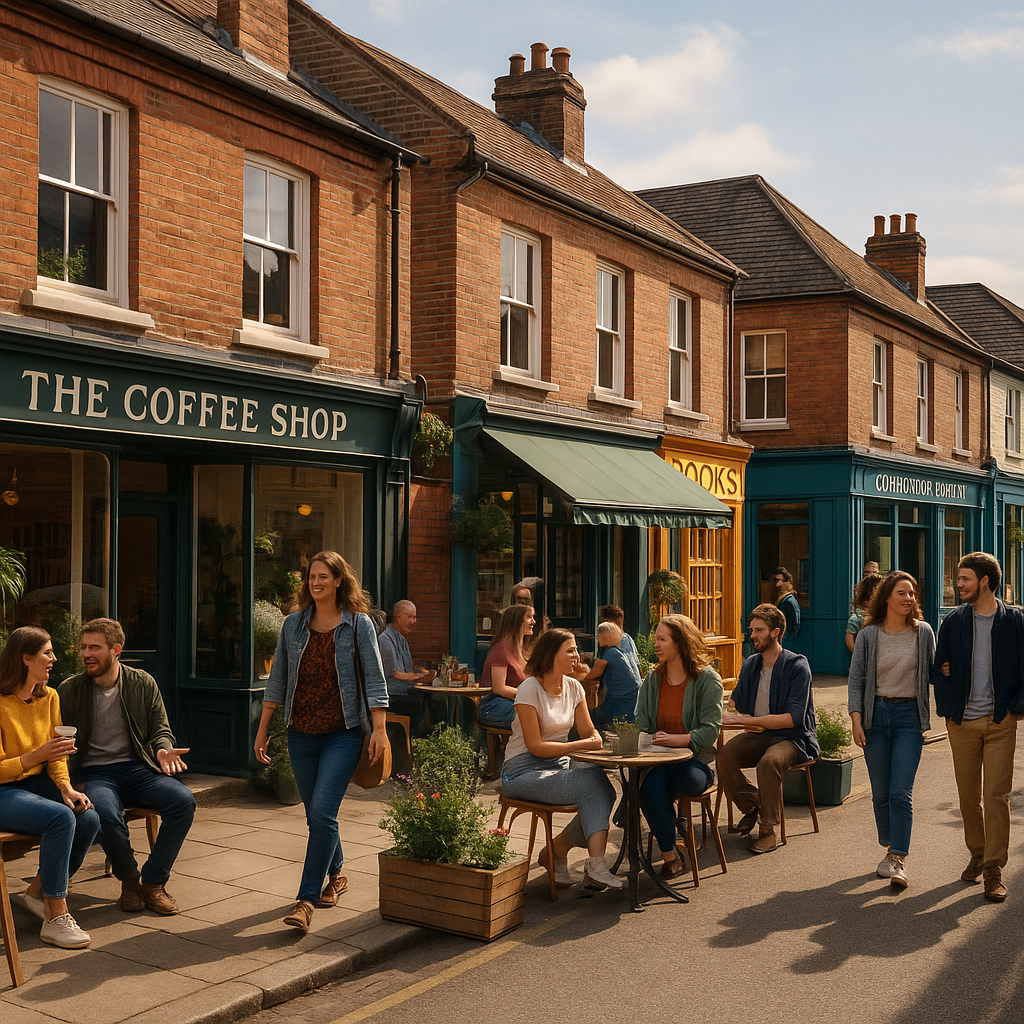
- Food and drink – Cafes, bakeries, coffee shops and small restaurants often move into former retail units, trading on social experiences that cannot be replicated online.
- Health and beauty – Barbers, salons, nail studios and treatment rooms continue to grow, as they depend on in-person appointments.
- Gyms and fitness studios – Compact gyms, yoga spaces and specialist fitness providers are taking over larger former bank and department store units.
- Professional services – Estate agents, accountants, mortgage brokers and small legal practices value visible, central locations.
- Community and co-working spaces – Shared work hubs, artist studios and flexible community rooms are emerging where landlords accept more modest returns.
On some streets, residential conversion is also on the cards. Larger, hard-to-let units are being turned into flats or mixed-use schemes, particularly on the upper floors above ground-level premises.
Case studies: streets that have adapted and survived
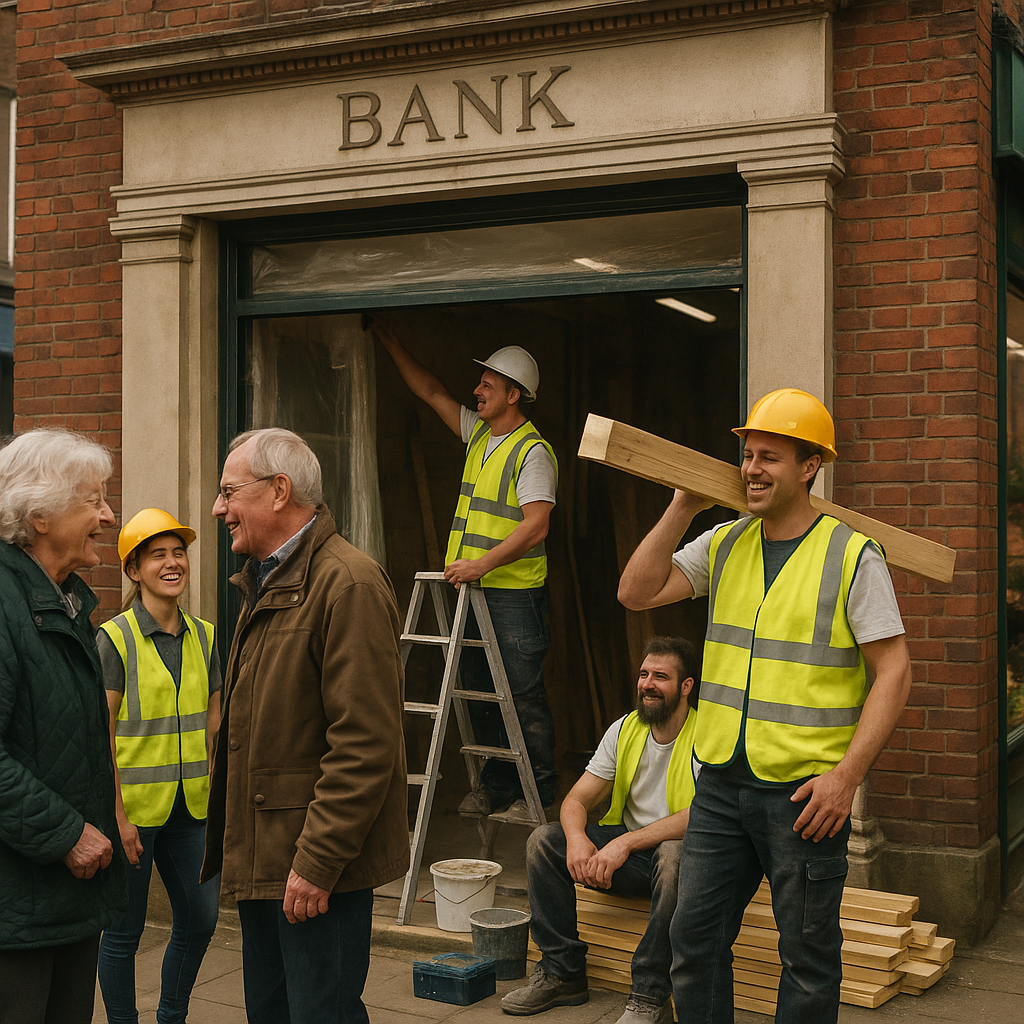
Several high streets provide useful lessons. In one suburban centre, the loss of two bank branches and a major chain store prompted a coordinated response. The council introduced short-term lets at reduced rates, matched with local entrepreneurs. Within a year, the former bank had become a health clinic and the old chain store was divided into three smaller units for a gym, a discount store and a family restaurant.
Another town centre suffered a cluster of closures at one end of the street, creating a visible dead zone. Working with landlords, the council funded a refurbishment of shopfronts and relaxed planning rules to allow more food and leisure uses. A craft market, microbrewery taproom and independent cinema have since moved in, extending the evening economy and drawing people back through the area.
In a coastal community, a parade hit hard by high street shop and bank closures has been repurposed as a hub for local makers. Former retail units now host a shared workshop, a gallery, a repair cafe and a weekly indoor market. The shift has not replaced every lost job, but it has given the street a clear identity and reason to visit.
High street shop and bank closures FAQs
Why are so many banks closing on local high streets?
Banks are closing branches because more customers now use online and mobile services, reducing the number of people visiting in person. At the same time, running physical branches is expensive, with property, staffing and security costs. To cut overheads, banks are consolidating into fewer locations, which often leaves smaller high streets without a local branch.
What types of businesses are most likely to replace closed shops and banks?
Empty units are most commonly taken over by food and drink venues, health and beauty services, gyms, professional offices and community or co-working spaces. These activities rely on in-person visits and experiences that cannot easily be moved online, making them better suited to modern high streets than some traditional retail models.
Can council regeneration plans really revive struggling high streets?
Council regeneration plans can make a significant difference when they are realistic and coordinated. Investing in public spaces, supporting flexible leases, encouraging mixed uses and bringing essential services into central locations all help to rebuild footfall. Success also depends on cooperation with landlords and local residents, so that changes reflect what the community actually needs.