
Flooding has become one of the most pressing concerns for homeowners, buyers, and renters across the country. After a succession of damaging winters, the question is no longer whether it could happen near you, but whether you have checked. A flood risk check on a UK property is now considered standard practice by mortgage lenders, insurers, and conveyancers alike, yet most people have no idea the tools even exist, let alone how to read them.
This guide walks you through exactly what is available, who is responsible for acting on it, and what the results might mean for your insurance premiums and mortgage application.
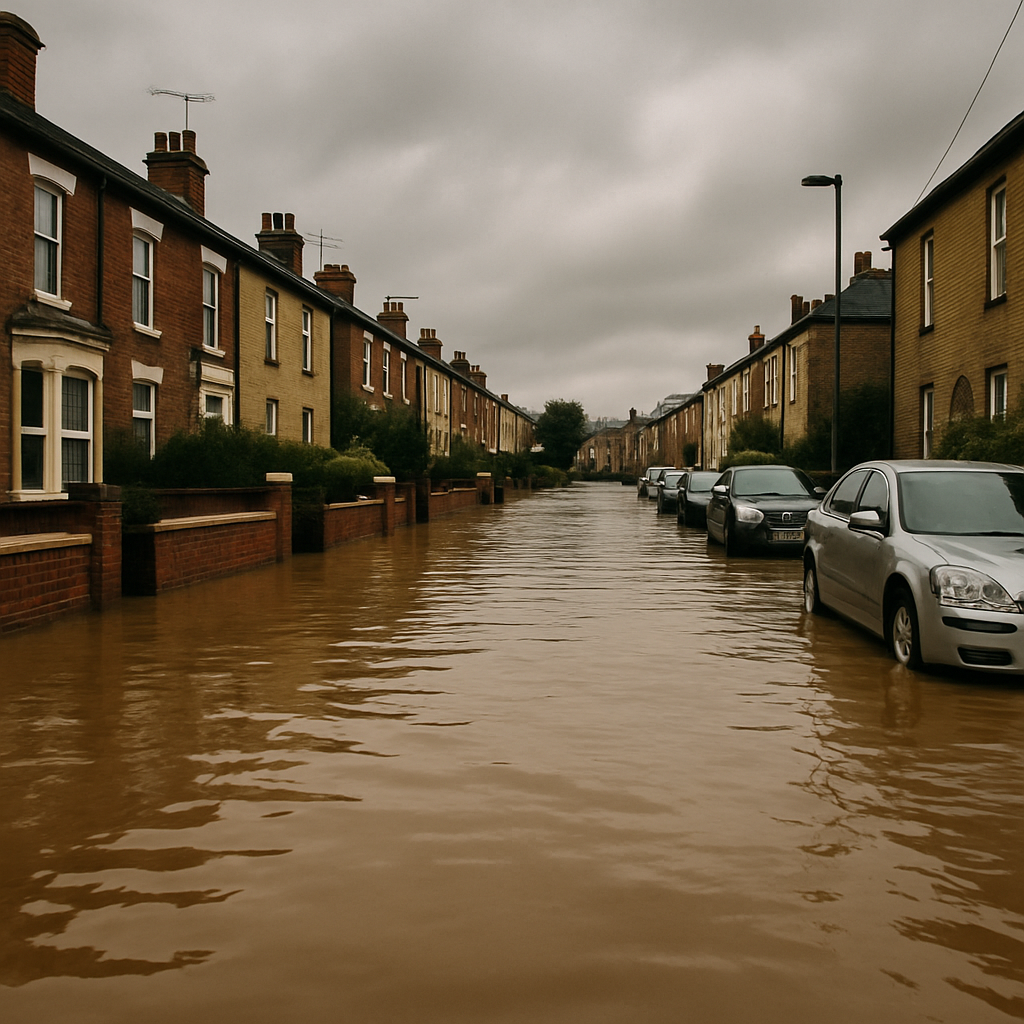
How to Use the Environment Agency’s Flood Map for Planning
The Environment Agency runs a free, publicly accessible tool called the Long Term Flood Risk service, which allows anyone in England to check a property’s flood risk by entering a postcode. It shows whether a location falls within a flood zone, and if so, which one. Flood Zone 1 carries the lowest risk; Flood Zone 3 represents land assessed as having a significant risk of flooding from rivers or the sea.
The map also distinguishes between surface water flooding, river and sea flooding, and groundwater flooding. These are not the same thing. Surface water flooding, which occurs when rainfall overwhelms drains and sewers, is increasingly common in urban areas and can affect streets and properties that sit nowhere near a river. Searching solely by postcode gives a general picture; for a specific address, the tool allows you to zoom in at street level.
It is worth noting that the Environment Agency map does not cover Wales or Scotland. In Wales, Natural Resources Wales operates its own flood risk tool. In Scotland, the Scottish Environment Protection Agency (SEPA) provides flood mapping services. Northern Ireland uses the Rivers Agency. Each system is broadly similar in purpose, but the data and zones may differ.
What a Flood Risk Assessment Actually Means
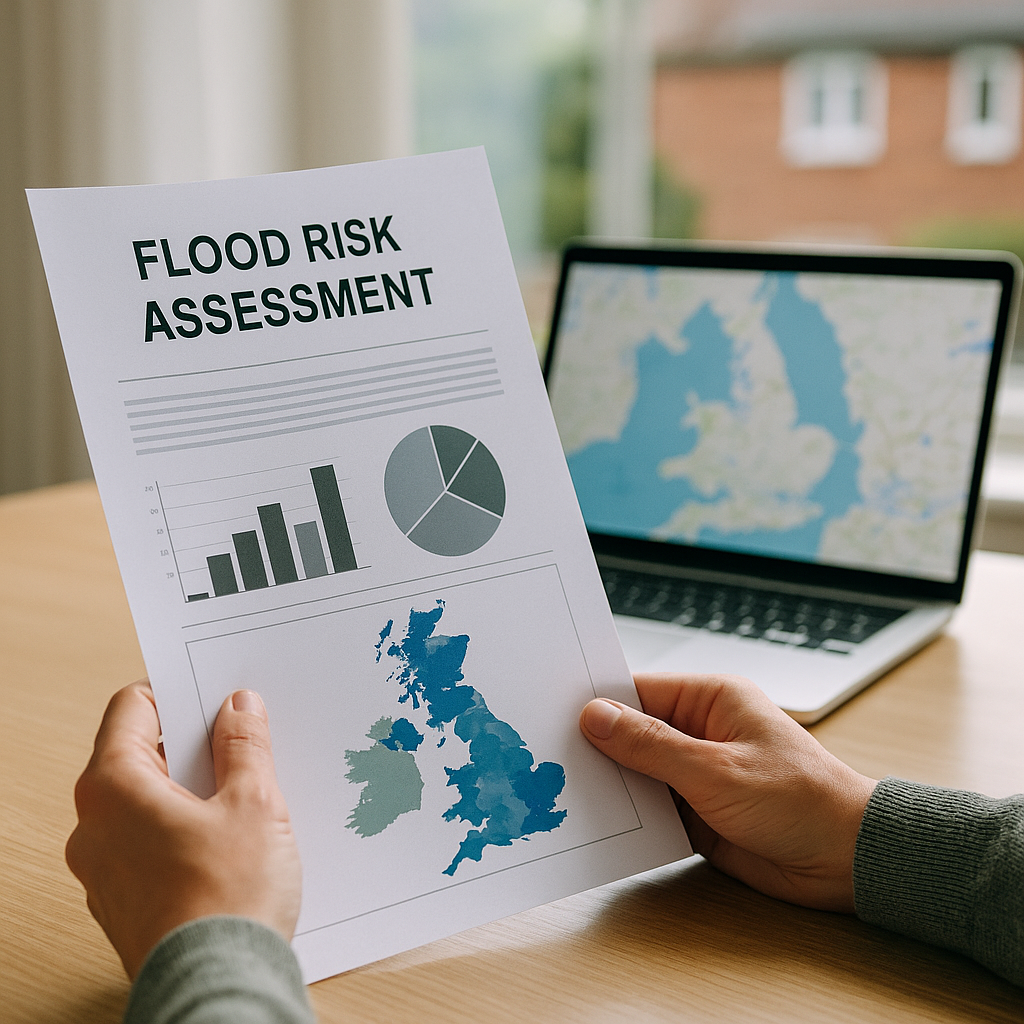
A flood risk assessment is a formal document, typically commissioned by a developer or required by a planning authority, that analyses the likelihood and potential impact of flooding on a specific site. For homeowners and buyers, the relevant term is more often a flood risk search, which forms part of the standard conveyancing searches when purchasing a property.
This search draws on Environment Agency data but is usually supplemented by additional datasets from companies such as Landmark or Groundsure. It will typically flag whether the address sits in an at-risk zone, whether there is a history of flooding in the area, and whether any drainage or sewer records suggest vulnerability. A solicitor should present this information clearly, but many buyers do not realise they can ask for the underlying data or request a more detailed report if the initial result raises concerns.
How Flood Risk Affects Your Mortgage and Insurance
The financial implications of a flood risk check on a UK property are significant and often underestimated. For mortgages, lenders are increasingly cautious about properties in Flood Zone 3. Some will decline to lend entirely; others will require specialist flood surveys or impose conditions on the offer. A high flood risk classification on a survey can reduce the number of lenders willing to consider a property, which in turn affects its market value.
Homeowners in Mansfield, Nottinghamshire often turn to specialists like Lister Group when moving house or investing in property, precisely because navigating these complications requires expertise across multiple services at once. Lister Group offers a full suite of property services including mortgages, lettings management, and buy to let services, and the team at lister-group.co.uk is well placed to advise homeowners on how flood risk data affects the mortgage options available to them. For anyone considering being a landlord in an area flagged by the Environment Agency, getting that advice early can save significant time and money.
Insurance is the other major consideration. The Flood Re scheme, a joint initiative between the UK government and the insurance industry, was introduced specifically to help homeowners in high-risk areas access affordable home insurance. Properties built before 2009 may be eligible. However, properties built after that date, or those used for business purposes, are generally excluded. Premiums can still be considerably higher than the national average even with Flood Re involvement, and some policies carry substantial flood excesses.
What Your Lead Local Flood Authority Is Required to Do
Here is the part that most people do not know about. Under the Flood and Water Management Act 2010, every county or unitary council in England is designated a Lead Local Flood Authority (LLFA). These authorities have specific legal duties, not optional ones.
Before a flood event, an LLFA is required to develop, maintain, apply, and monitor a local flood risk management strategy. This strategy must be published and made available to residents. It should identify areas at risk from surface water, groundwater, and ordinary watercourses, and it should set out what the council plans to do about it. If your council has not published this strategy, that is a breach of its statutory duty under the Act.
After a flooding event, the LLFA must investigate where it considers it necessary or appropriate. The investigation must establish which risk management authorities have relevant functions and whether they have exercised, or propose to exercise, those functions. Importantly, the results of that investigation must be published. Residents affected by flooding have a legitimate right to ask their council what it found and what action it is taking.
In practice, the quality and transparency of this reporting varies considerably between councils. Some publish detailed post-flood reports within weeks; others take months or say very little at all. If you cannot find your area’s flood risk strategy on your council’s website, you are entirely within your rights to submit a Freedom of Information request asking for it.
Practical Steps If Your Property Shows Up in a Flood Zone
Finding out that your home or a property you are considering sits in a flood zone is unsettling, but it does not necessarily mean the worst. What it does mean is that you need clear, specific advice rather than generic reassurance.
Start by checking whether any flood defences are noted in the Environment Agency data. A property in Flood Zone 3 that sits behind a maintained flood defence may carry a lower actual risk than the zone classification alone suggests. Check when those defences were last assessed and what standard of protection they offer. The Environment Agency publishes data on defence maintenance records.
For those who are investing in property or considering buy to let options in an affected area, working with a firm that understands the full picture matters. Lister Group, which provides lettings management and mortgage services alongside its other property offerings, brings together the kind of local knowledge that helps landlords and homeowners make informed decisions rather than reactive ones.
Consider also whether the property has any resilience measures in place: flood doors, air brick covers, raised electrical sockets. These details can influence both insurers and lenders, and they are worth noting in any survey or disclosure.
Staying Informed Going Forward
The Environment Agency’s free Flood Warning service allows residents to register their address and receive alerts by phone, text, or email when flooding is considered likely. It is a straightforward precaution that costs nothing and is available at check-long-term-flood-risk.service.gov.uk. Registration takes a few minutes and can make a material difference in the time available to respond.
Flood risk is not a static condition. Climate patterns, development upstream, changes in drainage infrastructure, and shifts in land use all affect how risk profiles evolve over time. Checking once and assuming the answer never changes is not enough. For anyone buying, selling, or renting out property, a periodic flood risk check on the UK property in question should be as routine as any other survey.
Frequently Asked Questions
How do I do a flood risk check on a UK property?
In England, you can use the Environment Agency’s free Long Term Flood Risk service at check-long-term-flood-risk.service.gov.uk by entering a postcode or address. In Wales, use the Natural Resources Wales tool; in Scotland, use SEPA’s flood maps. Your conveyancing solicitor should also carry out a flood risk search as part of any property purchase.
Does flood risk affect getting a mortgage in the UK?
Yes, significantly. Properties in Flood Zone 3 may be declined by some lenders, or offers may come with conditions requiring specialist flood surveys. A high flood risk classification can reduce the number of mortgage products available, which can also affect the property’s market value.
What is Flood Re and does my property qualify?
Flood Re is a UK government and insurance industry scheme designed to make home insurance more affordable for properties in high-risk flood areas. It generally applies to residential properties built before 2009. Properties built after that date, or those used primarily for business, are excluded from the scheme.
What are my local council's legal duties on flood risk?
Under the Flood and Water Management Act 2010, your council’s Lead Local Flood Authority must develop and publish a local flood risk management strategy, and must investigate and publish findings after significant flood events. If you cannot find this information, you can request it under the Freedom of Information Act.
Can I get flood warnings for my address before a flood happens?
Yes. The Environment Agency offers a free Flood Warning service that sends alerts by phone, text, or email when flooding is likely in your area. You can register your address at the Long Term Flood Risk service website. Registration takes only a few minutes and is available to anyone in England.