As workplaces continue to evolve, future-proof office flooring design is becoming a strategic decision rather than a finishing touch. The right surface can quietly support hybrid working, wellbeing, acoustics and maintenance budgets for years to come. The wrong choice can date quickly, wear badly and disrupt business with constant repairs.
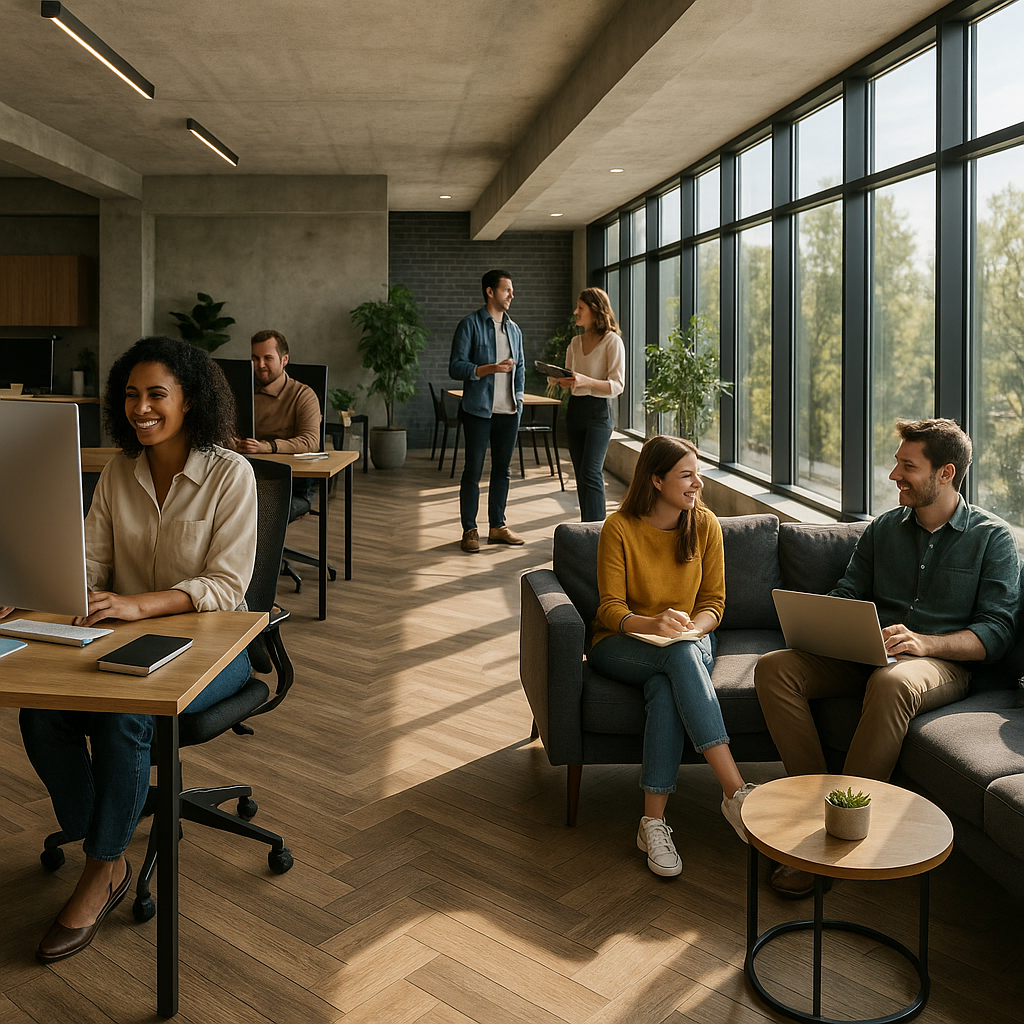
Whether you are refitting a single office or planning a full workplace relocation, thinking ahead about how your floors will perform over time is essential. Below is a practical guide to help you shape long term decisions instead of short term fixes.
Understanding future-proof office flooring design
Future-proofing is about flexibility and resilience. Rather than choosing a single product in isolation, consider how your flooring will cope with changing team sizes, technology layouts and new ways of working. Modular systems, tiles and planks are often easier to replace in small sections, keeping disruption and waste to a minimum.
Think about the whole lifecycle of the floor: how it is manufactured, installed, cleaned, repaired and eventually recycled. Products with robust warranties, proven wear layers and clear end-of-life options can deliver better value over the long term than cheaper, short lived alternatives.
Designing for hybrid and flexible working
Hybrid working has changed how offices are used. Desks are often quieter, while collaboration zones, project rooms and social spaces are busier than ever. Future-proof office flooring design should respond to these shifting patterns.
Use different materials, colours or patterns to zone spaces without building walls. For example, a soft, acoustic carpet tile in focus areas can sit alongside a more durable, easy to clean surface in circulation routes and cafés. This approach helps staff intuitively understand how spaces are meant to be used, while giving you the flexibility to reconfigure layouts later.
Prioritising comfort, wellbeing and acoustics
Flooring has a direct impact on how people feel at work. Hard, echoing surfaces can increase noise levels and fatigue, while softer, cushioned options can improve concentration and comfort. Look for products with acoustic backing or underlay, especially in open plan spaces, call centres and meeting rooms.
Slip resistance and underfoot comfort are equally important. Consider how far people will walk in a typical day, and whether they are likely to stand for long periods. High quality underlays and resilient surfaces can reduce strain on joints and help to create a more supportive environment.
Balancing style, durability and maintenance
Every business wants a smart, professional finish, but style alone is not enough. Future-proof office flooring design balances aesthetics with durability and ease of maintenance. Neutral, timeless tones tend to outlast bold trends, while textured finishes can help to disguise minor marks between cleans.
Before making a final decision, talk to your cleaning team or provider. Ask how each option will be maintained, how often deep cleans are required and what equipment or products are needed. A surface that looks affordable at first can become expensive if it needs specialist cleaning or frequent replacement.
Planning for sustainability and regulations
Environmental performance is now a key consideration in workplace projects. Many companies are working towards carbon reduction targets and need materials that support those goals. Look for credible certifications, recycled content and take-back schemes that allow old flooring to be reused or recycled rather than sent to landfill.
Regulatory compliance also matters. Fire performance, slip resistance and accessibility requirements vary by building type and usage, so it is important to check that your chosen systems are correctly rated for each area. Entrances, stairwells and escape routes may need specific products or installation details.
Working with specialist partners
Because flooring interacts with so many other elements – from furniture and lighting to heating and acoustics – early collaboration with specialists can save time and cost. A professional contractor can advise on subfloor preparation, phasing works around business operations and selecting products that match your performance brief.
If you are planning a larger workplace project, it can be helpful to involve your supplier at the design stage rather than waiting until finishes are being specified. Experienced teams who work with commercial flooring every day can highlight potential issues before they become expensive problems on site.

Future-proof office flooring design FAQs
How long should office flooring typically last?
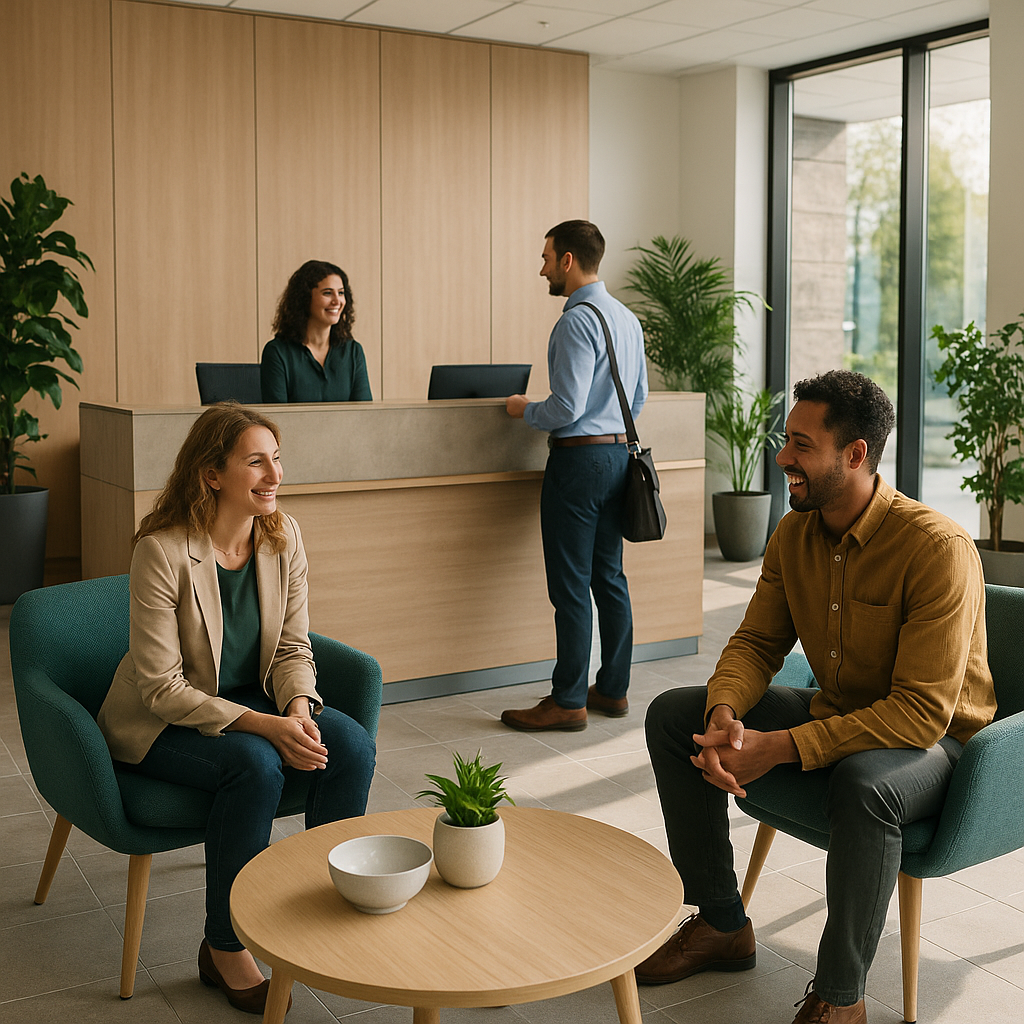
The lifespan of office flooring depends on the material, footfall and maintenance regime, but many quality products are designed to last 10 to 15 years in standard office environments. In very high traffic areas such as corridors, receptions and café spaces, you may need to refresh surfaces more often or choose particularly robust options. Regular cleaning, prompt repair of damage and using entrance matting to capture dirt can significantly extend the usable life of any floor.
What flooring is best for open plan offices?
Open plan offices benefit from surfaces that manage noise, wear and comfort. Acoustic carpet tiles or resilient materials with sound reducing underlays are popular because they help to control reverberation while remaining practical to clean. Many organisations combine two or more finishes, using softer products in work areas and tougher, easily cleaned surfaces in walkways and refreshment zones. The right choice depends on how your team uses the space and what maintenance support you have.
How can I make my workplace flooring more sustainable?
To make workplace flooring more sustainable, start by asking suppliers about recycled content, low emission adhesives and credible environmental certifications. Consider modular products that allow damaged sections to be swapped out without replacing the entire area, reducing waste. Plan for the end of life too, by choosing systems with established recycling or take-back schemes. Finally, good maintenance and preventative measures like entrance matting will help floors last longer, which is often the most sustainable choice of all.