
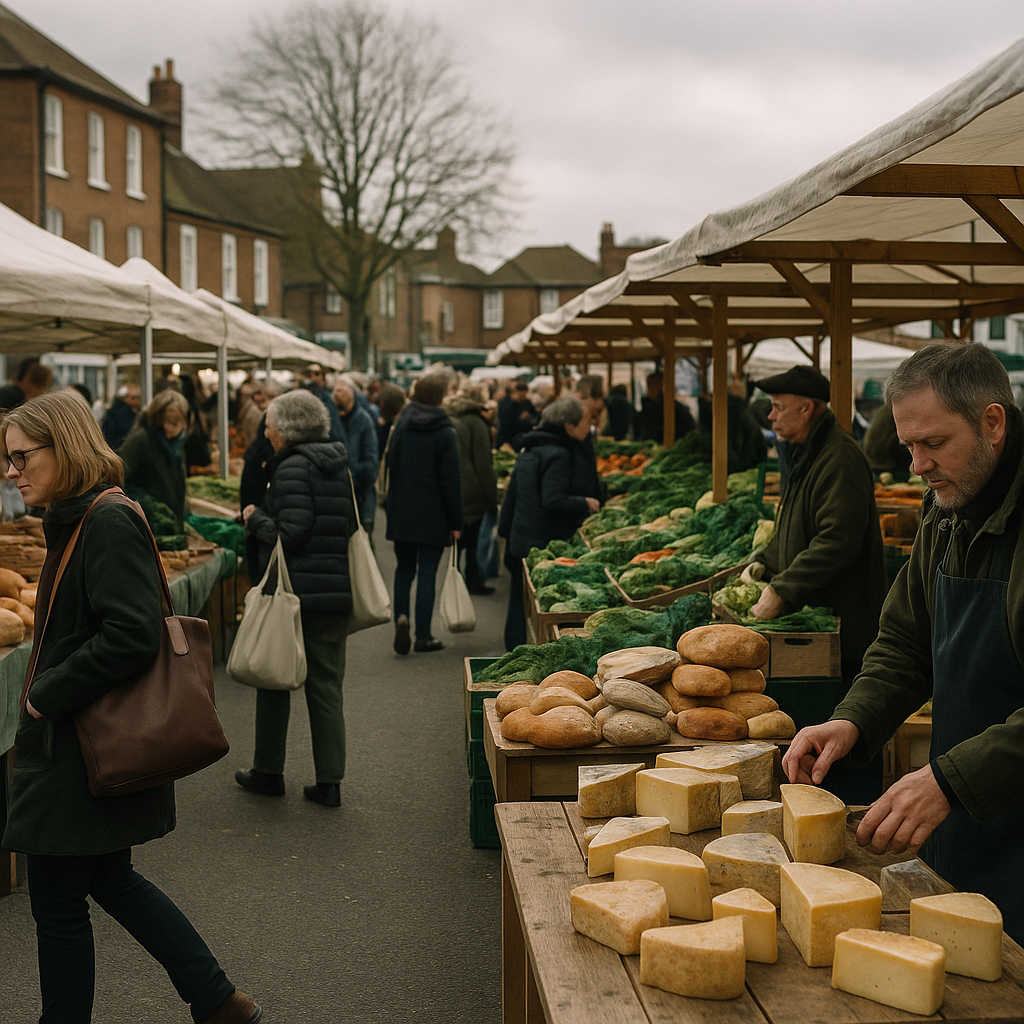
There is a farmers market that sets up every Saturday morning in a car park off the high street in Stroud. It has been running for over a decade. Local cheesemakers, bakers, and smallholders turn up in all weathers. Hundreds of residents pass through. And yet, for long stretches of time, almost nobody writes about it. No photographs make it into the local paper. No council bulletin acknowledges it exists. It simply happens, and then it disappears from the record entirely.
That kind of quiet erasure is more common than it should be. Local community events news has been squeezed out by budget cuts, newsroom closures, and a creeping assumption that only conflict, crime, or controversy is worth covering. But the civic case for proper, consistent reporting of local events is strong. And it is worth making clearly.
Why Local Events Deserve More Than a Listing
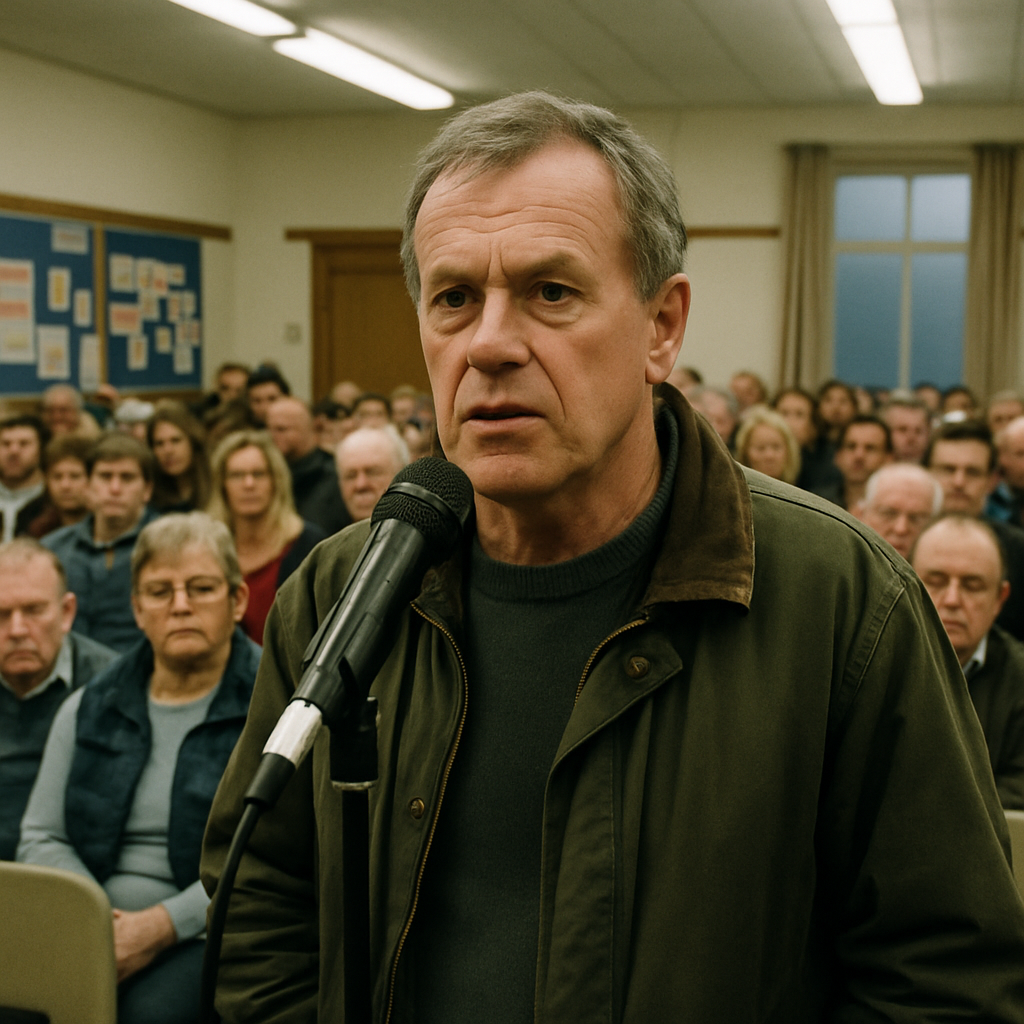
A listing tells you a thing is happening. Reporting tells you why it matters. There is a significant difference. When a town hall hosts a public debate about a proposed housing development, a simple calendar entry does nothing to explain what is at stake, who is speaking, or what residents ought to know before attending. Proper coverage contextualises the event, encourages attendance, and creates a record that the community can refer back to.
The Nesta Local News project has documented how the decline in local journalism directly correlates with lower voter turnout, reduced civic participation, and a growing disconnect between residents and the decisions being made in their name. That is not a small thing. When people do not know what is happening in their area, they disengage. And disengagement has consequences.
Farmers markets, community litter picks, neighbourhood watch meetings, school fetes, parish council sessions, local arts exhibitions. These are not trivial. They are the connective tissue of civic life. Covering them consistently signals that the community considers itself worth paying attention to.
The Events That Most Often Get Ignored
Not all local events struggle equally for coverage. A carnival with a big crowd and a brass band will usually attract a photographer. But the quieter, slower-moving events tend to fall through the gaps, and those are often the ones with the most genuine civic weight.
Town planning consultation evenings, for instance, routinely draw low attendance, partly because most residents have no idea they are happening. When these meetings go unreported, developers and councils operate in something close to a vacuum. The same applies to licensing hearings, local charity fundraisers trying to raise awareness, and community resilience groups that form in the aftermath of a flood or a fire. Local community events news, when done well, turns these invisible gatherings into public record.
School governor meetings, neighbourhood forums, and local faith group open days all fall into this category too. They are not glamorous. They rarely involve controversy. But they represent real communities making decisions and building relationships, and that deserves to be documented.
How Residents Can Help Fill the Gap
The decline of local newsrooms is real, but it does not have to mean the end of local coverage. Residents across the UK are already stepping in, sometimes without quite realising they are doing journalism at all.
Here are some practical ways people are contributing to local community events news right now.
Write short event reports and submit them
Most local papers, hyperlocal blogs, and community Facebook groups will publish short pieces written by residents. You do not need to be a trained journalist. A 200-word write-up that answers who, what, when, where, and why is genuinely useful. If you attended a town hall debate or a planning consultation, write a brief account of what was discussed. Include names where people are happy to be quoted.
Take photographs at community events
A good photograph extends the reach of any story. You do not need a professional camera. A clear, well-lit shot of a busy market stall, a crowded community hall, or a group of volunteers planting trees in a local park tells a story at a glance. Offer your images to local news outlets, community websites, or parish council newsletters. Always get consent before photographing individuals, particularly children.
Use social media to document, not just share
There is a difference between sharing an event poster and actually reporting on what happened. If you attend something worth covering, post a short summary afterwards. Include context. Tag your local council ward, your area’s Facebook group, and any relevant organisations. This kind of informal reporting builds a searchable archive over time and often gets picked up by more formal outlets.
Contact your local councillor and ask questions
Councillors are elected representatives. They are obliged to be accountable. If something happens at a community event that raises questions about council policy, budget decisions, or planning, write to your councillor and ask. Their responses are often newsworthy in their own right. Platforms like WriteToThem make this straightforward.
Why Consistent Coverage Strengthens Civic Engagement
There is a feedback loop that good local journalism creates. When people see their community being covered, they feel the community is worth being part of. Attendance at events increases. People run for local office. Volunteering numbers rise. Schools find it easier to recruit governors. Charities find it easier to recruit trustees.
This is not speculation. Research from the Reuters Institute for the Study of Journalism has consistently found that communities with active local news provision have stronger civic participation rates. Local community events news is not a soft add-on to serious journalism. It is foundational to how a community understands and organises itself.
The Stroud farmers market still runs every Saturday. Somebody ought to be writing about it. And if the professional press cannot get there, the people who shop there absolutely can.
Frequently Asked Questions
Why is local community events news important?
Consistent coverage of local events creates a public record of community life and civic decisions. It encourages attendance, boosts participation, and helps residents stay informed about issues that directly affect their area.
How can I get my local event covered in the news?
Contact your local newspaper, hyperlocal blog, or community website with a short press release that includes the key details: what, when, where, and why it matters. Sending a clear photograph alongside the write-up significantly increases your chances of getting coverage.
What kinds of local events are most often overlooked by the media?
Planning consultations, town hall debates, licensing hearings, charity fundraisers, and neighbourhood forum meetings tend to receive very little coverage despite their civic importance. These are often where the most consequential local decisions are made.
Can residents contribute to local news without being journalists?
Absolutely. Many local publications and community websites welcome short event reports, photographs, and first-hand accounts from residents. Writing a clear 200-word summary of what happened at a local meeting is a genuinely valuable contribution.
What has happened to local journalism in the UK?
The UK has lost hundreds of local newspapers and newsrooms over the past two decades, with significant cuts continuing through the mid-2020s. This has left many communities without consistent coverage of local events and council decisions, which research links to lower civic engagement.