The rise of Build to Rent UK developments is reshaping what it means to be a renter, particularly in cities where demand for quality homes far outstrips supply. Instead of traditional buy-to-let landlords, these schemes are designed, built and operated specifically for long term renting, often by large professional operators.

What is driving the growth of Build to Rent?
Several pressures are pushing investors and developers towards Build to Rent. Chronic housing shortages in major cities, changing lifestyles and tighter regulations on smaller landlords have all played a part. Many young professionals are delaying home ownership, but still want stable, well managed homes with a sense of community.
For institutional investors, these schemes offer predictable long term income from professionally managed blocks, rather than relying on fragmented individual landlords. Local authorities are also increasingly supportive, as these developments can deliver large numbers of new homes at scale with high management standards.
How Build to Rent UK is changing tenant expectations
Purpose built rental buildings are raising the bar on what tenants expect from their homes. On site gyms, lounges, co working spaces, roof terraces and parcel rooms are becoming standard in many new schemes. Professional management teams, responsive maintenance and digital portals for reporting issues are now seen as basic requirements rather than nice to have extras.
Flexible tenancies, transparent fees and pet friendly policies are also more common in Build to Rent than in traditional private renting. As more tenants experience this model, expectations filter across the wider market, putting pressure on smaller landlords and agents to improve their own service levels.
The impact on local communities and high streets
These developments are not just changing buildings, they are influencing the feel of neighbourhoods. Ground floor spaces are often used for cafes, co working hubs or small independent retailers, bringing new footfall to local high streets. Many schemes run resident events, from yoga classes to local business pop ups, which can help knit new arrivals into existing communities.
However, there are concerns about affordability and the risk of creating self contained enclaves. If rents are pitched too high, local workers may be priced out, and developments can feel disconnected from surrounding streets. Councils are increasingly looking at how to secure a mix of price points and ensure public spaces remain genuinely open and welcoming.
What this means for traditional landlords and agents
As Build to Rent expands, traditional landlords and agents are having to adapt. Tenants who have experienced hotel style service and amenity rich buildings are less tolerant of slow repairs, unclear communication or outdated processes. Smaller operators are responding with better digital systems, clearer communication and a stronger focus on customer experience.
Some independent landlords are choosing to outsource day to day operations to specialist agencies that can deliver a more professional service. Working with a company that understands compliance, tenant relations and lettings management in depth can help them stay competitive against larger schemes.
Future trends to watch in Build to Rent
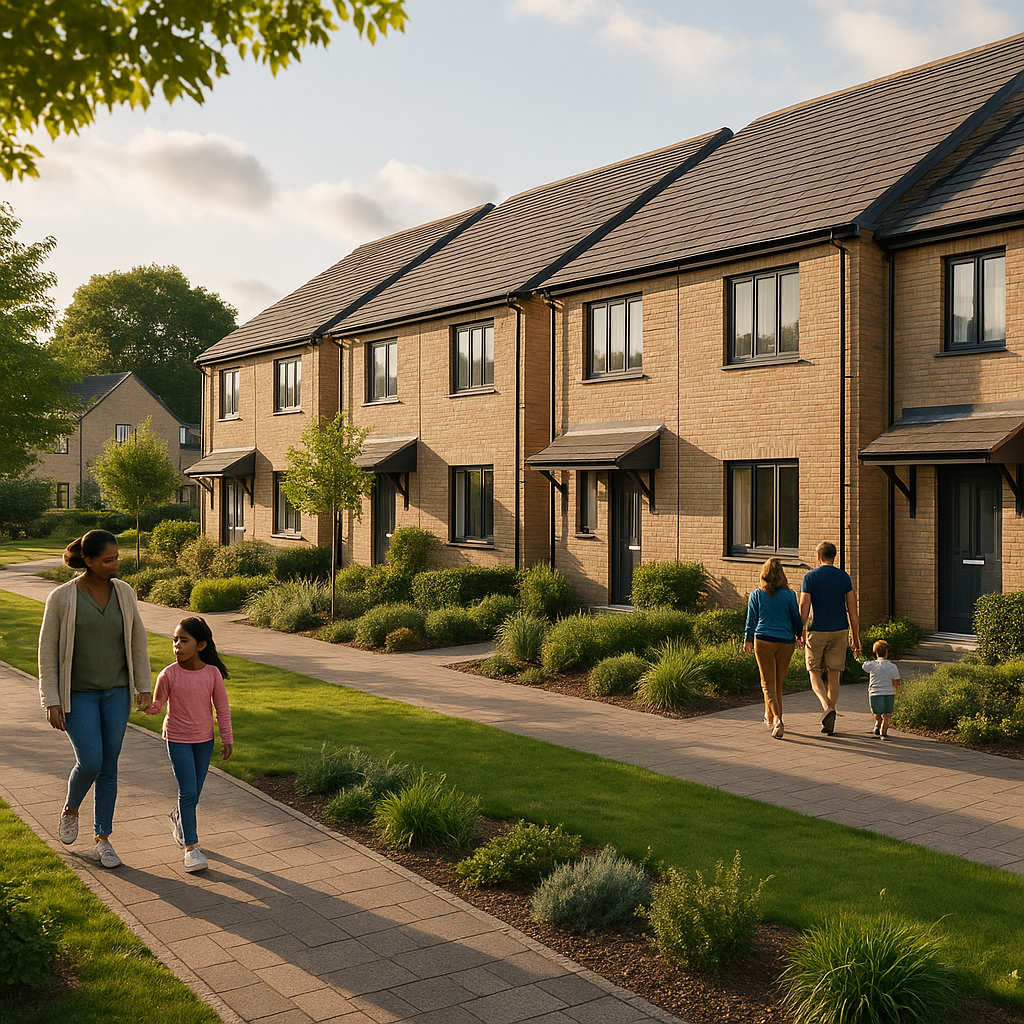
As the sector matures, new variations are emerging. Suburban Build to Rent is growing, targeting families and older renters who want space, gardens and parking but still value professional management. Co living style schemes are also appearing, aimed at younger renters who prioritise community and shared facilities over large private spaces.
Sustainability is another key trend. Many new buildings are being designed with energy efficiency, low carbon heating and high quality insulation from the outset. This can reduce running costs for tenants and help developments meet tightening environmental standards.
Finally, regulation and resident voices are likely to shape the next phase. As Build to Rent becomes a more visible part of the housing mix, expectations around transparency, security of tenure and genuine affordability will only increase. Operators that listen closely to residents and local communities will be best placed to thrive in this changing landscape.

Build to Rent UK FAQs
Are Build to Rent homes usually more expensive than traditional rentals?
Monthly rents in purpose built schemes can be higher than in older properties nearby, particularly in city centres, because they often include amenities such as gyms, co working areas and concierge services. However, when you factor in savings on things like gym memberships, utility efficiency and included services, overall living costs can be similar. The key is to compare total monthly outgoings, not just the rent headline.
Can families and older renters live in Build to Rent developments?
Yes. While early schemes focused heavily on young professionals, newer developments increasingly cater for a wider mix of residents. Many now offer larger flats or townhouses, outdoor play areas, quieter communal spaces and parking, which appeal to families and older renters. Suburban schemes in particular are designed with longer term, settled residents in mind.
How secure is my tenancy in a professionally managed rental block?
One of the benefits of large professionally managed blocks is that they are designed for long term renting rather than quick resale. Operators typically want stable, long term residents, so you may find longer tenancy options, predictable rent review structures and clear renewal processes. As always, it is important to read your tenancy agreement carefully so you understand notice periods and your rights if ownership of the building changes.