

Plans for several new housing estates across the borough are moving forward, bringing fresh questions about how local roads, schools, GP surgeries, parking and green spaces will cope with the extra demand.
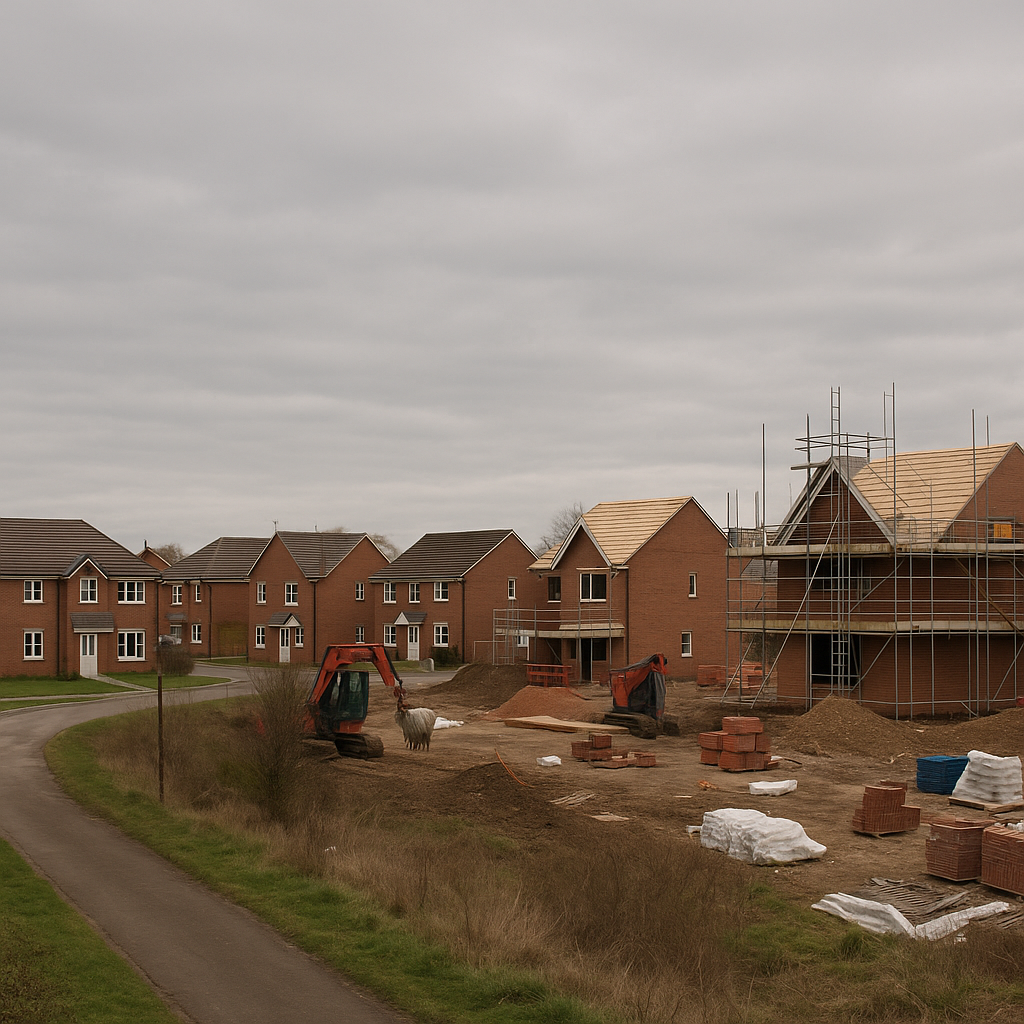
Where the new housing estates are planned
In recent months, councillors have granted outline permission for a series of developments on the edge of existing neighbourhoods. These include a large estate on former farmland to the north of town, a medium sized scheme infilling land between two existing estates, and a smaller cluster of homes on a disused industrial site close to the railway line.
Together, the schemes could add several hundred homes over the next few years. While planners say the projects will help meet government housing targets and ease pressure on the rental market, residents are increasingly focused on what this will mean for day to day life.
What planners and developers promise
Developers behind the new housing estates have set out a series of measures they say will soften the impact on local services. Transport assessments submitted with the applications argue that, with improvements, nearby junctions can handle the extra traffic. Proposals include new pedestrian crossings, traffic calming features and contributions towards bus service upgrades.
Planning documents also highlight financial contributions to education and health. Section 106 agreements are expected to secure money towards expanding nearby primary schools, as well as funding for additional GP capacity, either through enlarging existing surgeries or supporting a new branch practice.
On green space, design statements promise play areas, pocket parks and tree planting within the estates themselves. Developers say these will create attractive, walkable neighbourhoods and provide new routes linking into existing footpaths and cycleways.
Traffic and parking at the heart of local worries
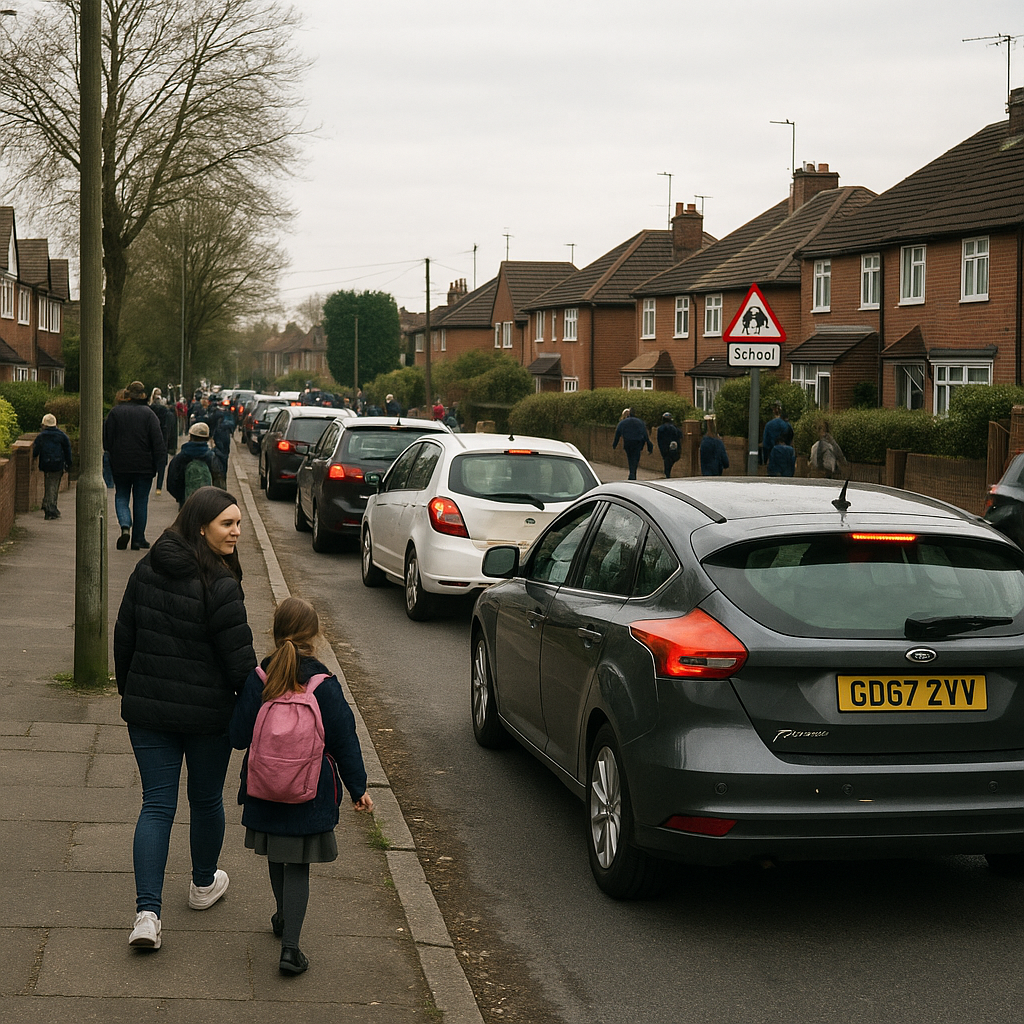
For many residents, the biggest concern is traffic. Streets that already feel busy at school run and rush hour times are expected to take the brunt of extra cars from the new housing estates. People living near proposed access roads fear longer queues at key junctions, more congestion around mini roundabouts and mounting frustration on narrow side streets.
Parking is another flashpoint. Some existing estates already see pavements lined with vehicles in the evenings, with driveways and dropped kerbs frequently blocked. Locals question whether the planned number of parking spaces per home is realistic, particularly for larger properties and shared houses, and worry that overspill will spill onto neighbouring roads.
Pressure on school places and GP surgeries
Parents are closely watching what the developments will mean for school admissions. Nearby primary and secondary schools have reported being close to capacity in recent years, with some families already travelling further than they would like to secure a place. While planners say contributions will support extra classrooms, residents are asking when, and where, those spaces will actually materialise.
Similar questions are being raised about GP access. Many surgeries report long waits for routine appointments, and some have closed their lists to new patients. Local campaigners argue that simply expanding existing buildings may not be enough if there are not enough doctors, nurses and support staff to run additional clinics.
Green spaces and the character of the area
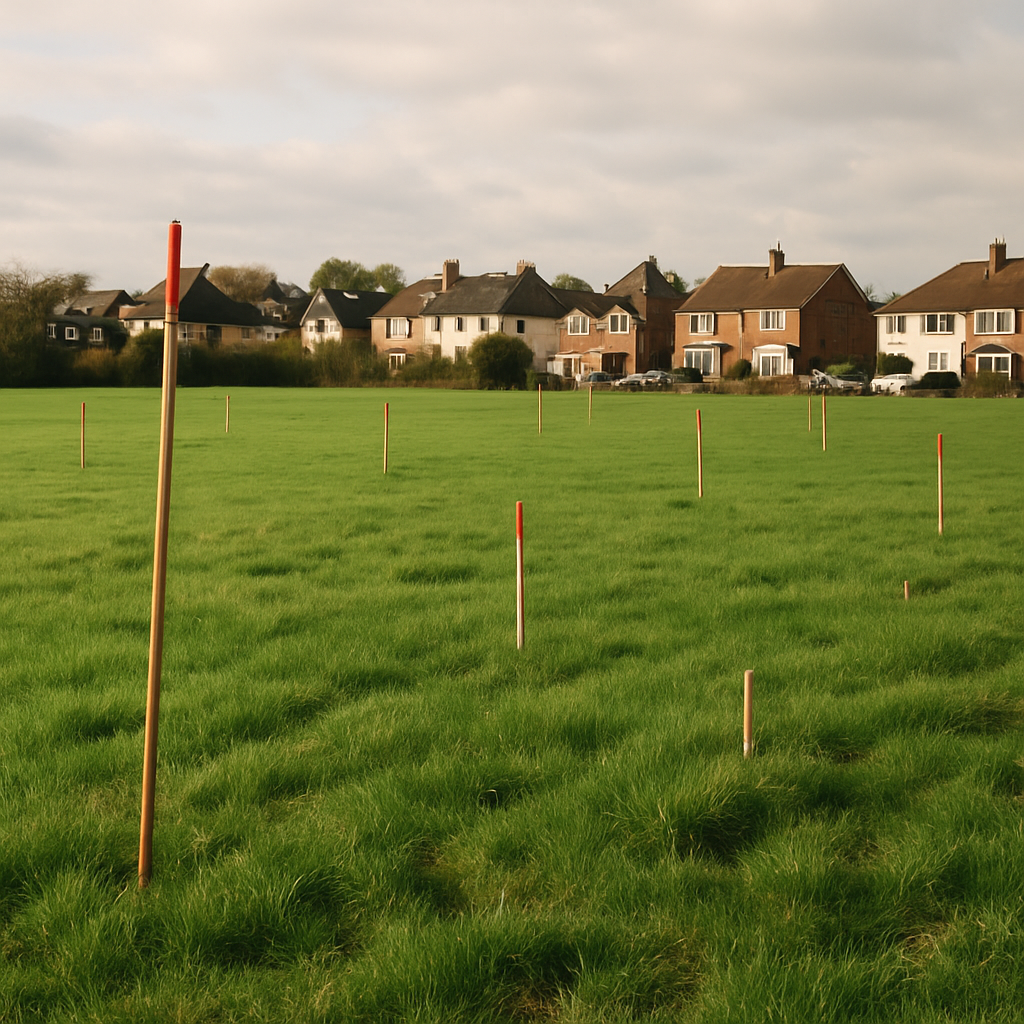
The loss of open land is another recurring theme in objections to the new housing estates. While some of the sites are privately owned fields rather than formal public parks, they are still used informally by dog walkers, runners and families. Residents say these gaps between built up areas are part of what gives their communities a sense of space and identity.
Although developers have pledged new play areas and landscaped corridors, critics argue that small pockets of green within dense housing cannot fully replace larger open fields. There are also concerns about the impact on local wildlife, with several of the sites known to support birds, bats and other species.
What happens next
As detailed plans for the new housing estates come forward, there will be further opportunities for public comment. Reserved matters applications will set out final layouts, road designs, landscaping and the timing of infrastructure improvements. Councillors are likely to face continued pressure from both developers, who want to move quickly, and residents, who want firm guarantees that services will keep pace.
New housing estates FAQs
How will the new housing estates affect local traffic?
Transport assessments suggest nearby junctions can cope with extra vehicles if improvements are made, but many residents expect longer queues at peak times and more parking pressure on surrounding streets. Final road layouts and traffic calming measures will be decided at the detailed planning stage.
Will there be enough school places for families moving into the new housing estates?
Developers are expected to contribute money towards expanding nearby schools, but it is not yet clear exactly when additional classrooms will be delivered. Parents are advised to follow council updates on education planning as detailed applications are submitted.
What is being done to protect green spaces around the new housing estates?
Plans typically include on site play areas, small parks and new planting, and some schemes aim to link into existing footpaths and cycle routes. However, open fields will still be lost, and local groups are calling for stronger safeguards for remaining green corridors and wildlife habitats.
Leave a Reply