

Mobile car detailing is becoming an increasingly familiar sight on residential streets and business car parks, as more drivers opt for at-home and at-work vehicle care instead of traditional trips to the wash.
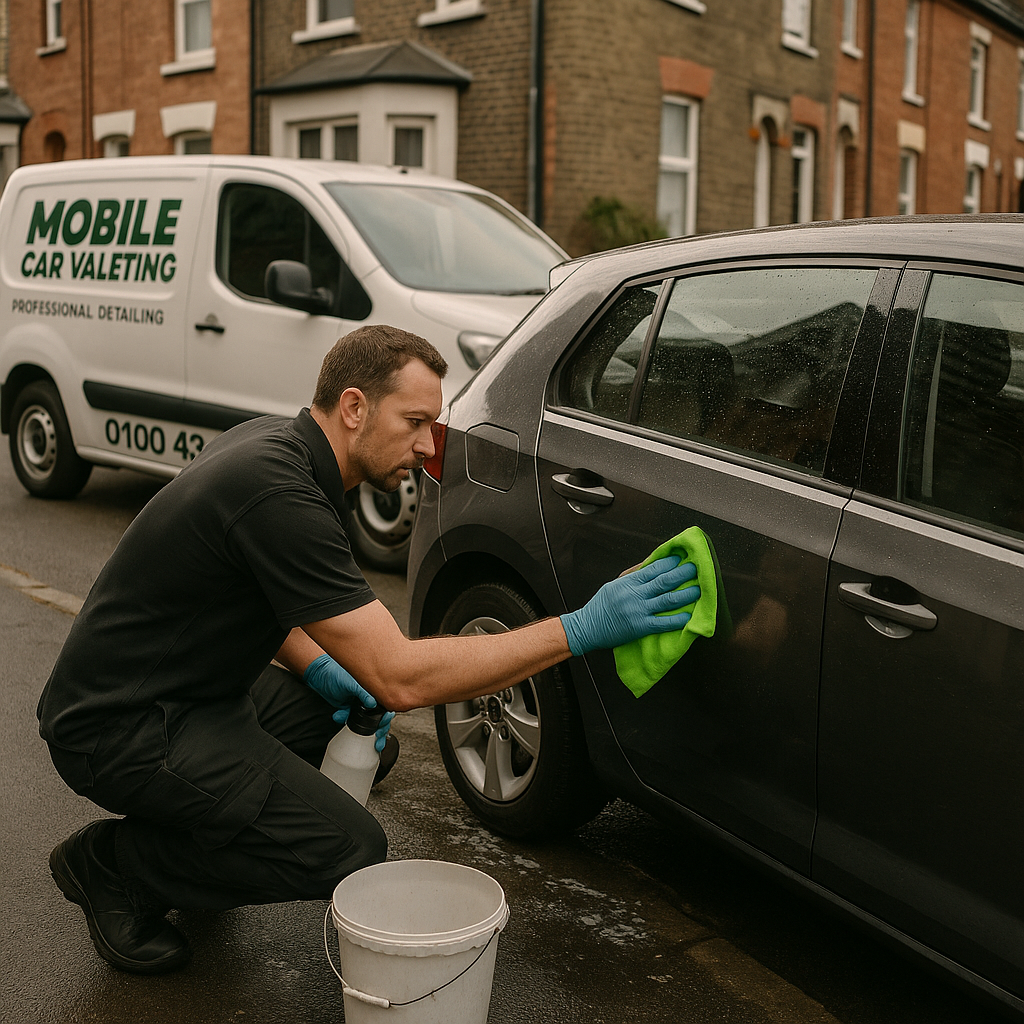
What is driving demand for mobile car detailing?
Local operators say convenience is the main reason residents are turning to mobile car detailing. Rather than booking time out of the day to visit a fixed-site wash, drivers can have their vehicles cleaned, polished and protected while they work or relax at home.
Rising costs of owning and running a vehicle are also playing a role. Many motorists view regular detailing as a way to protect paintwork, interiors and resale value. With used car prices remaining relatively high, keeping a vehicle in good cosmetic condition is seen as a practical investment rather than a luxury.
In many areas, workers in trades and delivery roles are frequent customers, relying on their vehicles for business and preferring not to lose hours waiting at busy hand-wash sites.
How mobile car detailing services typically operate
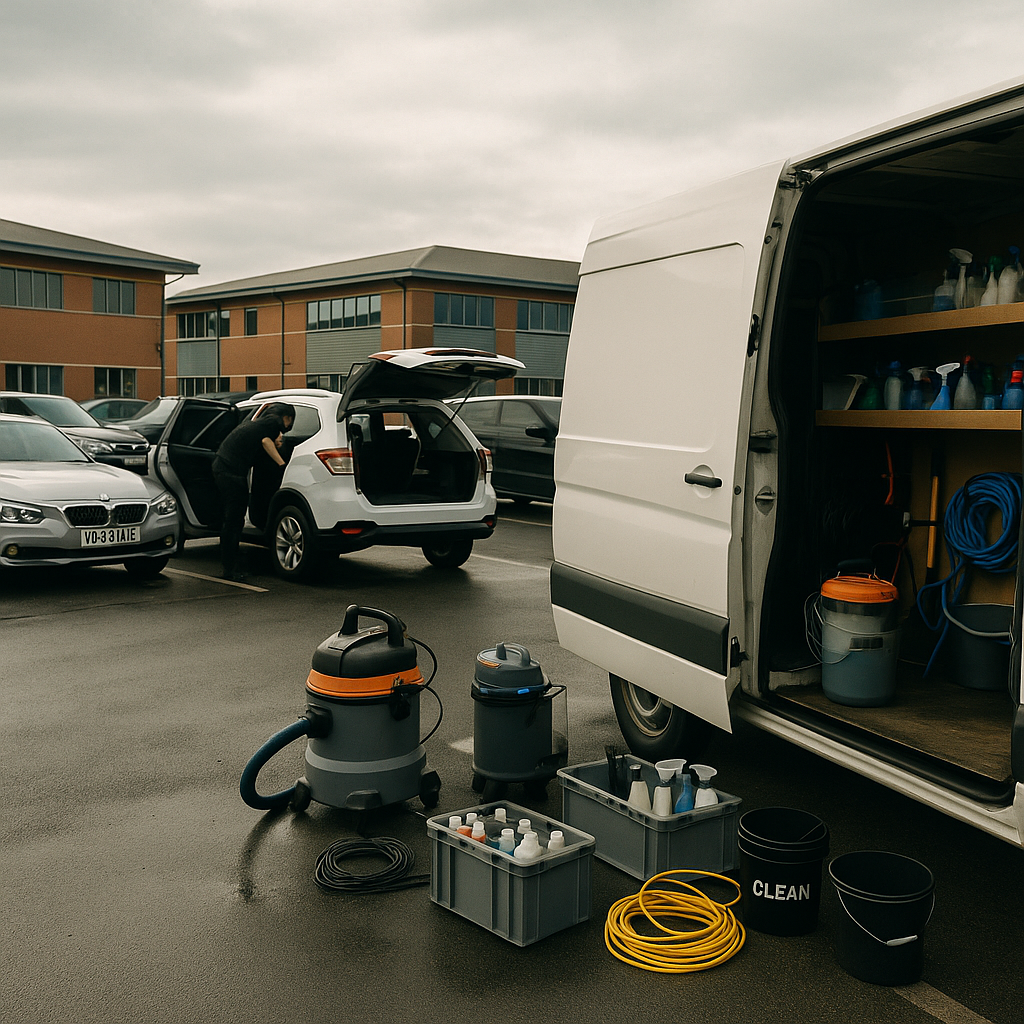
Most mobile car detailing businesses operate fully equipped vans, carrying water, power, cleaning products and specialist tools. Bookings are usually taken online or by phone, with time slots allocated to specific postcodes or neighbourhoods.
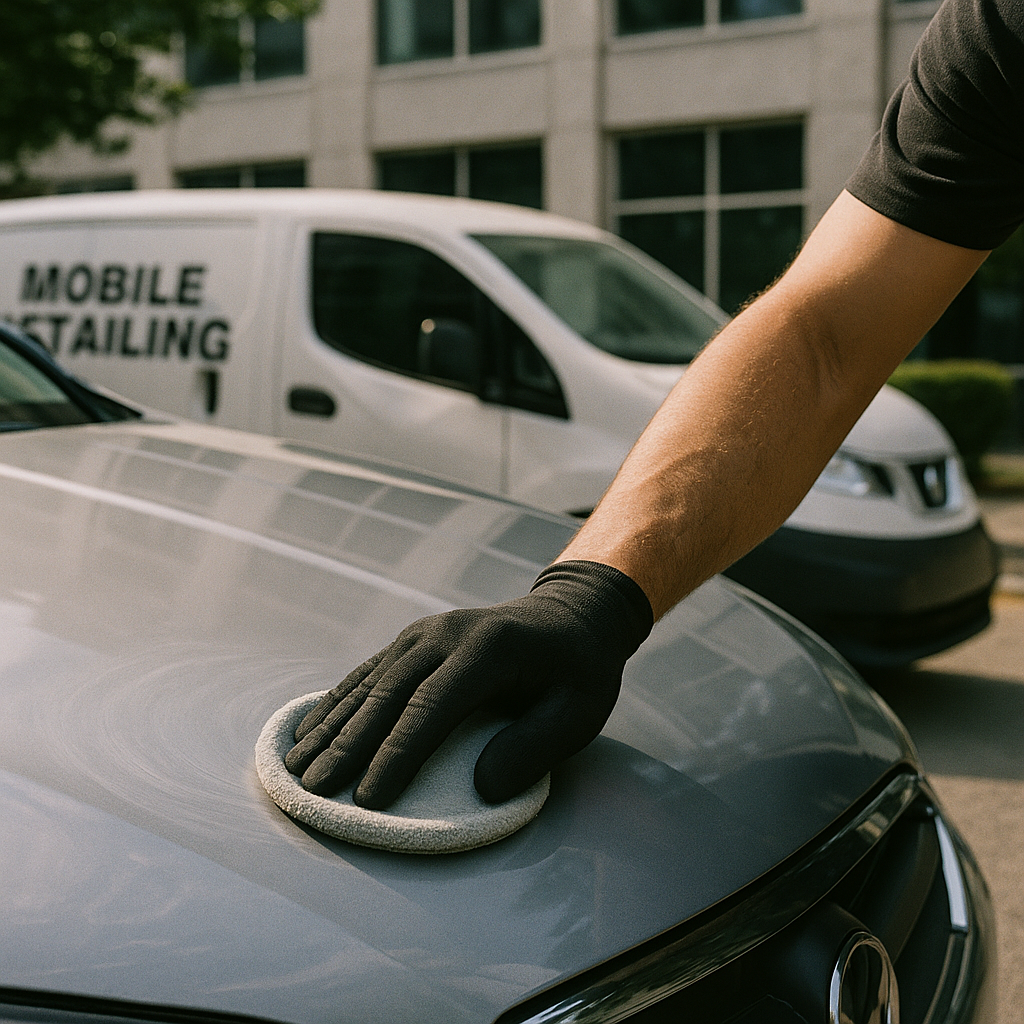
Standard packages often include exterior wash and wax, interior vacuuming, plastic and leather treatments and glass cleaning. At the higher end, operators may offer paint correction, machine polishing and long-lasting protective coatings.
Some firms have begun working closely with local employers, visiting business parks and office sites on set days so staff can book vehicles in without leaving the workplace. This model has proved popular in towns where parking is limited and city-centre hand washes are under pressure from planning and environmental rules.
Environmental concerns and water use
With increased scrutiny on traditional hand car washes, mobile car detailing providers are keen to highlight their environmental credentials. Many now use low-water or waterless wash products, along with biodegradable shampoos and microfibre cloths that reduce run-off into drains.
Some operators have invested in onboard water reclamation systems, allowing them to filter and reuse a portion of the water used on each job. While these systems are still relatively rare, industry observers expect to see wider adoption as regulations on water use and chemical discharge tighten.
Local authorities are also watching the sector closely, particularly where operators work on public roads. Clearer guidance on drainage, waste disposal and noise is expected in the coming years as the market continues to grow.
Impact on traditional car washes and local businesses
The growth of mobile car detailing is being felt by bricks-and-mortar car washes, some of which report a shift in customer behaviour. Quick, low-cost exterior washes remain busy at weekends, but weekday trade has softened in certain areas as commuters book mobile services for more thorough cleans.
Independent garages and used car dealers are among those adapting fastest, partnering with mobile detailers to prepare vehicles for sale or return. In some towns, bodyshops that once focused solely on accident repair now offer in-house detailing to compete with mobile operators.
Industry figures say the sector still has room for both models, with mobile services catering to time-poor customers and fixed sites focusing on volume and lower price points.
Technology and booking trends
Technology is playing a growing role in how residents access these solutions. Many operators now use simple booking apps or web forms that allow customers to choose services, upload photos of their vehicle and pay in advance. Automated reminders and route planning tools help small teams cover wider areas efficiently.
Social media remains a key marketing channel, with before-and-after photographs and short video clips used to demonstrate results. Word-of-mouth recommendations in local community groups have also been influential, particularly where operators build a reputation for reliability and careful work.
For drivers seeking more traditional options, established firms still offer comprehensive valeting services from fixed premises, often alongside paintwork and wheel refurbishment.
Mobile car detailing FAQs
How long does a typical mobile car detailing appointment take?
A standard mobile car detailing appointment that includes an exterior wash, interior vacuum, glass cleaning and basic protection usually takes between one and two hours, depending on the size and condition of the vehicle. More in-depth services, such as stain removal, pet hair extraction or machine polishing, can extend the visit to several hours. Most operators will outline expected timings when the booking is made so customers can plan around the appointment.
Do mobile car detailers need access to water and electricity?
Many mobile car detailers operate fully self-contained vans with their own water tanks and generators, so they do not need to plug into household supplies. Others may request access to an outdoor tap or socket, particularly for longer or more intensive jobs. It is worth checking this in advance when booking, especially if you live in a flat or have limited access to outside utilities.
Is mobile car detailing suitable for leased or company cars?
Mobile car detailing is often used by drivers of leased and company vehicles to keep interiors and paintwork in good condition and to reduce the risk of end-of-contract charges. Thorough cleaning can help remove light marks and everyday wear, while regular protection treatments make it easier to maintain the car over time. Drivers should always follow any specific guidance in their lease or company policy, but professional detailing is generally considered an acceptable form of maintenance.
Leave a Reply