

The latest wave of high street shop closures has left some units empty and familiar names gone, but new independents are moving in and reshaping the local shopping scene.
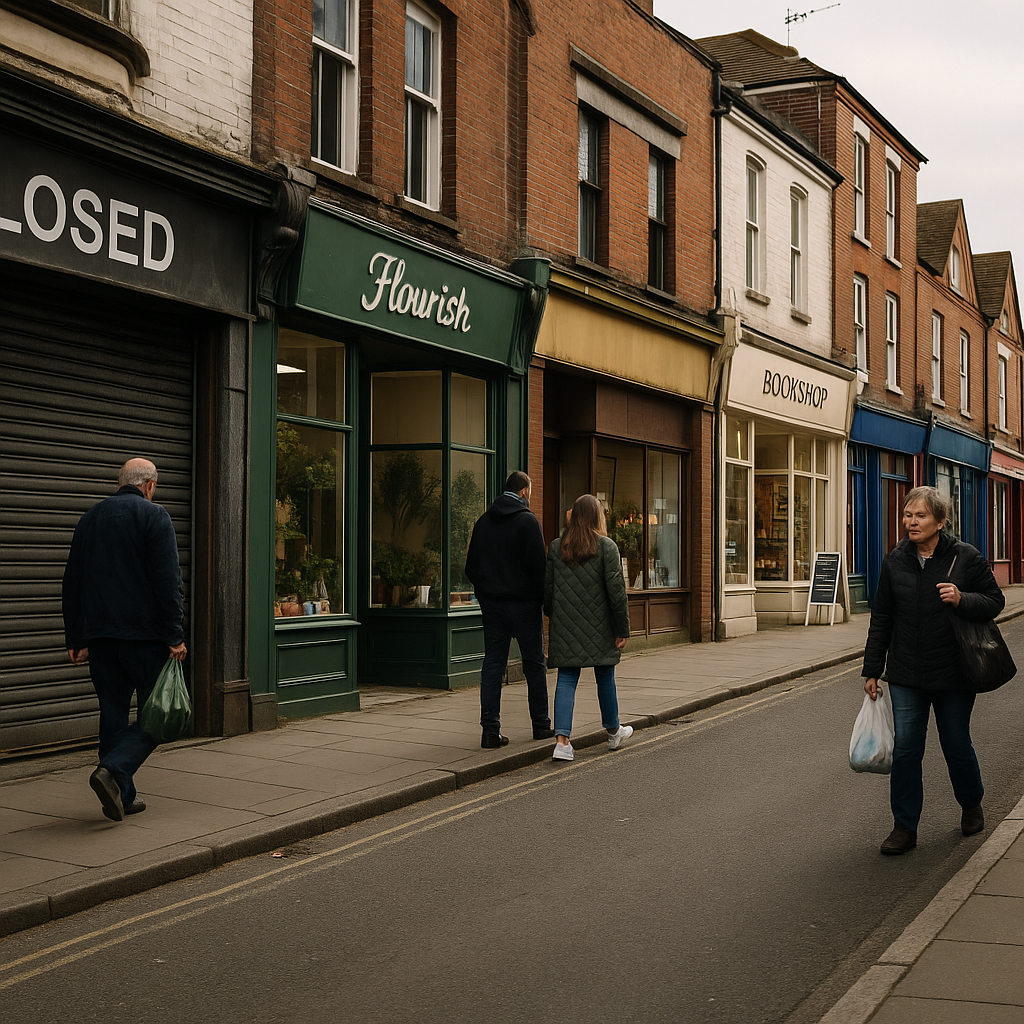
High street shop closures and new faces on the parade
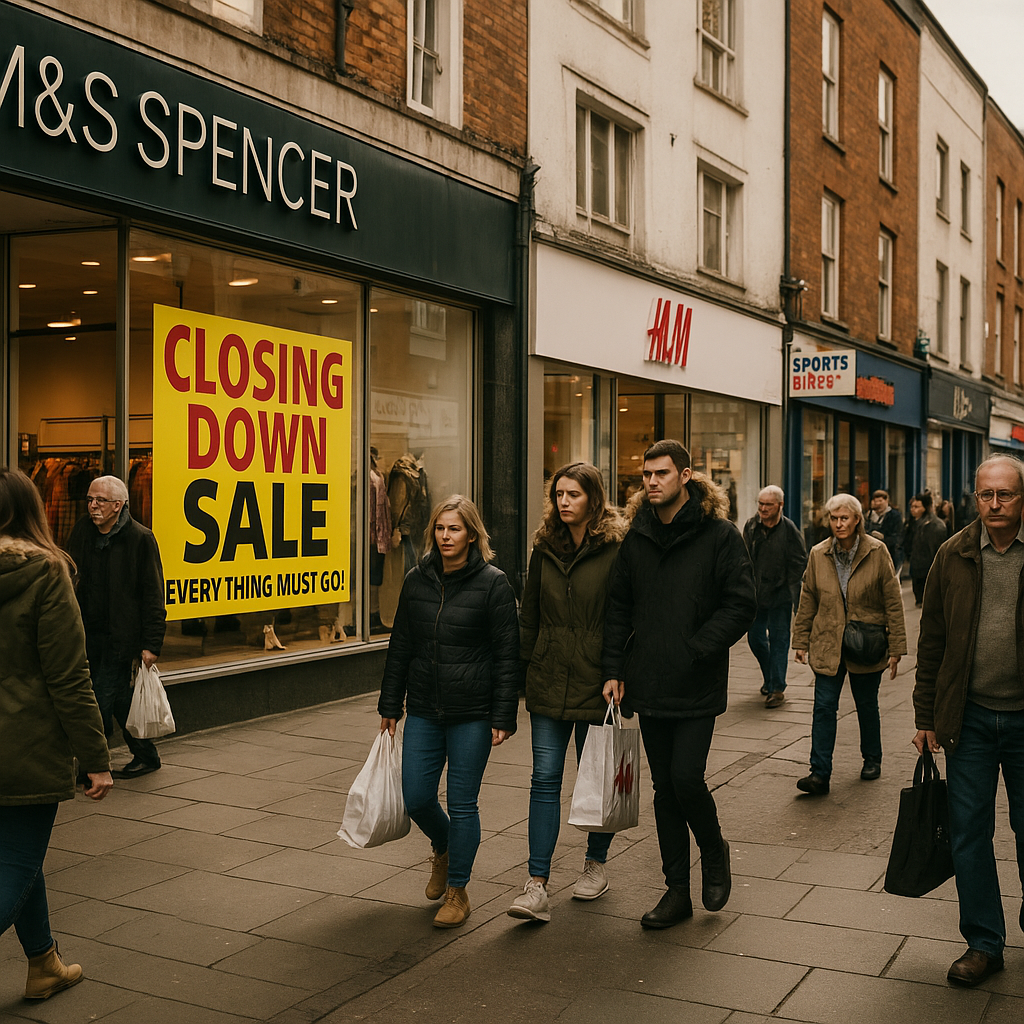
Over the past few months, several national chains have shut their doors on the local high street, citing rising costs and changing shopping habits. A mid-sized fashion chain, a discount homeware store and a long-standing phone retailer have all left, leaving gaps that residents say have changed the feel of the town centre.
In their place, a handful of small independents have appeared. A family-run deli, a refill shop and a boutique florist have taken on previously vacant units, gambling that a more personal, community-focused offer can succeed where bigger brands have struggled.
Footfall figures from the local business forum suggest overall visitor numbers are holding steady, but spending patterns are shifting. Shoppers are making fewer big trips, instead popping in more often for specific items, food and services.
Why big chains are leaving the high street
Behind many recent high street shop closures lies a familiar list of pressures: higher energy bills, increased wages, business rates and the continued growth of online shopping. National chains, which often sign long leases and operate to tight national margins, have been quick to trim less profitable branches.
One former manager of the closed fashion chain, who asked not to be named, said the store had been “under review” for more than a year. “Our sales were not terrible, but head office was looking at everything. When costs went up again, they just decided this one was not worth keeping,” they said.
Property agents report that some landlords are still holding out for pre-pandemic rent levels, making it difficult for chains to justify staying. Others have been more flexible, offering shorter leases and rent-free periods to attract new occupiers.
Independent traders under pressure but determined
Independent shop owners say they face the same rising costs as the chains, but without the backing of a national parent company. Yet many insist they are more adaptable and closer to their customers.
“Our electricity bill has doubled and our ingredients cost more or less every time we reorder,” said Maria Evans, who runs the new deli on the high street. “We cannot compete on price with supermarkets, so we focus on quality and knowing our regulars. If we did not, we would just become another statistic in the high street shop closures story.”
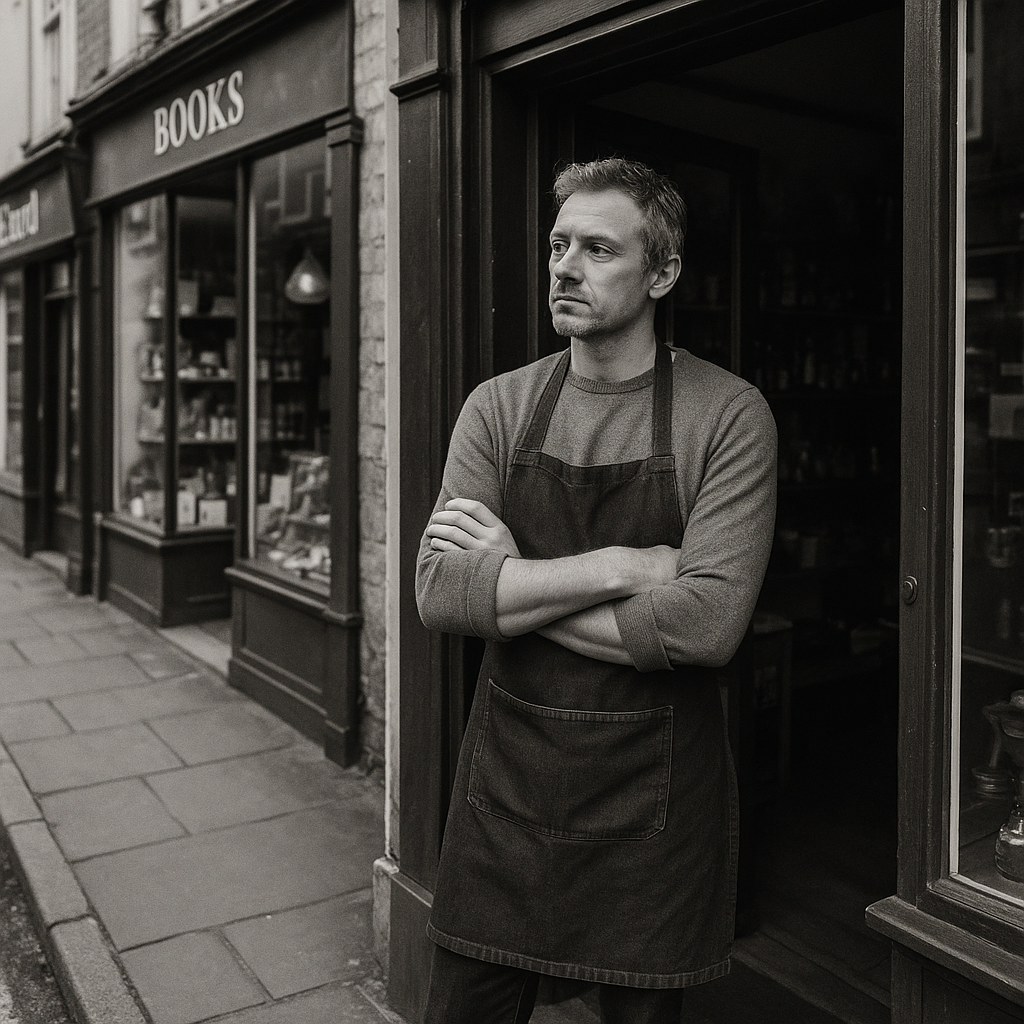
Next door, a long-established cobbler and key-cutting shop has survived multiple economic downturns. Owner Paul Singh said his trade had actually picked up as more people chose to repair rather than replace. “We are lucky that what we do cannot easily be done online,” he said. “But our rent has gone up and we feel every increase in costs.”
Voices from local business groups and shoppers
The local business association has called for a coordinated approach to keep the town centre vibrant. Chairperson Claire Howard said, “We cannot stop every closure, but we can work with landlords, the council and traders to fill empty units quickly and support those who want to invest here. Parking, public transport and safety all matter as much as business rates.”
Shoppers interviewed on a busy market day expressed mixed feelings. “I miss some of the big names, because you knew what you were getting,” said pensioner Alan Price. “But I like the new deli and the refill shop. It feels more like a proper community high street again.”
Student Leah Thompson said convenience was key. “If I cannot get it in town easily, I just order it on my phone. But I do come in for coffee, food and things like gifts. If the independents are interesting enough, people will still visit.”
What might come next for the local high street
While the high street faces undeniable challenges, traders and business groups see opportunities too. Flexible use of space, more events and later opening hours are all being discussed as ways to keep the area busy beyond the traditional nine-to-five.
High street shop closures FAQs
Why are so many shops closing on the high street?
Many shops are closing due to a combination of higher energy bills, increased wages, business rates and the continued growth of online shopping. National chains often review their estate and close less profitable branches, while independents struggle to absorb rising costs without the backing of a larger company. Changing shopping habits, with people making fewer big trips and buying more online, also play a major role in high street shop closures.
How are independent shops coping with high street changes?
Independent shops are adapting by focusing on personal service, specialist products and building strong relationships with local customers. Some are diversifying their offer, hosting events or sharing space with other traders to keep costs down. While they face the same pressures that contribute to high street shop closures, many independents say their flexibility and close ties to the community give them a better chance of surviving.
What can residents do to support the local high street?
Residents can support the local high street by choosing to shop locally where possible, especially for food, gifts and services that are harder to replace online. Regular visits, even for small purchases, help keep footfall up and signal demand to traders and landlords. Taking part in local events, using markets and backing campaigns for fair parking and safer streets also helps create the conditions for fewer high street shop closures and more new openings.
Leave a Reply