

Across high streets, school gates and office kitchens, conversations about gut health are cropping up in a way they simply did not a few years ago. From kombucha on tap in cafes to crowded shelves of probiotics in local chemists, it has quietly become one of the biggest everyday health talking points in town.

What is gut health and why does it matter?
Put simply, gut health refers to how well your digestive system is working, and how balanced the trillions of bacteria inside it are. Doctors now link the gut to everything from immunity and energy levels to mood and sleep. When the system is working smoothly, most people barely notice it. When it is not, the impact can be felt across daily life, from sluggish mornings to regular stomach discomfort.
Local GPs report more residents asking about bloating, irregular digestion and unexplained tiredness. Rather than accepting these as part of modern life, people are starting to question whether their gut might be playing a role. Health professionals are generally encouraging small, sustainable changes rather than quick fixes, but they welcome the fact that residents are paying closer attention to how their bodies respond to food and routine.
How gut health became a local talking point
Several factors have pushed gut health into the spotlight. Social media is full of wellness trends, and while some are short lived, others have prompted people to read labels, try fermented foods or cut back on ultra processed meals. Local supermarkets have responded, expanding ranges of live yoghurt, kefir and fibre rich snacks.
Community groups have also played their part. In recent months, libraries and community centres have hosted talks on digestion and food, often led by local nutritionists. These events tend to be well attended, with residents keen to understand how everyday choices might be affecting their long term wellbeing.
Everyday habits that support gut health
Experts highlight that the gut is resilient and responds well to steady, realistic changes. For many people, that begins with fibre. Wholegrains, beans, lentils, fruit and vegetables feed the beneficial bacteria in the digestive system. Residents who have swapped some white bread and pasta for brown alternatives often report feeling fuller for longer and more energised in the afternoon.
Hydration is another simple habit. Water helps keep everything moving through the digestive tract, yet many adults still fall short of recommended amounts. Some local workplaces have introduced refill stations and gentle prompts, encouraging staff to top up bottles throughout the day.
Sleep and stress are less obvious but equally important. Busy commutes, long shifts and caring responsibilities can all disrupt rest. Over time, this may affect the balance of bacteria in the gut. Local yoga classes, walking groups and mindfulness sessions are increasingly promoted as practical ways to unwind, rather than luxuries reserved for a few.
Sorting fact from fiction on gut health
With interest in these solutions rising, so too has the number of products and programmes promising dramatic results. Health charities and local clinicians urge residents to approach bold claims with caution. Not every supplement is necessary, and not every online testimonial reflects typical outcomes.
Some people are exploring options such as a targeted parasite cleanse, while others are trying broad spectrum probiotics or herbal blends. Professionals advise speaking to a pharmacist, nurse or GP before starting anything new, especially for those with existing conditions, allergies or who are taking regular medication.
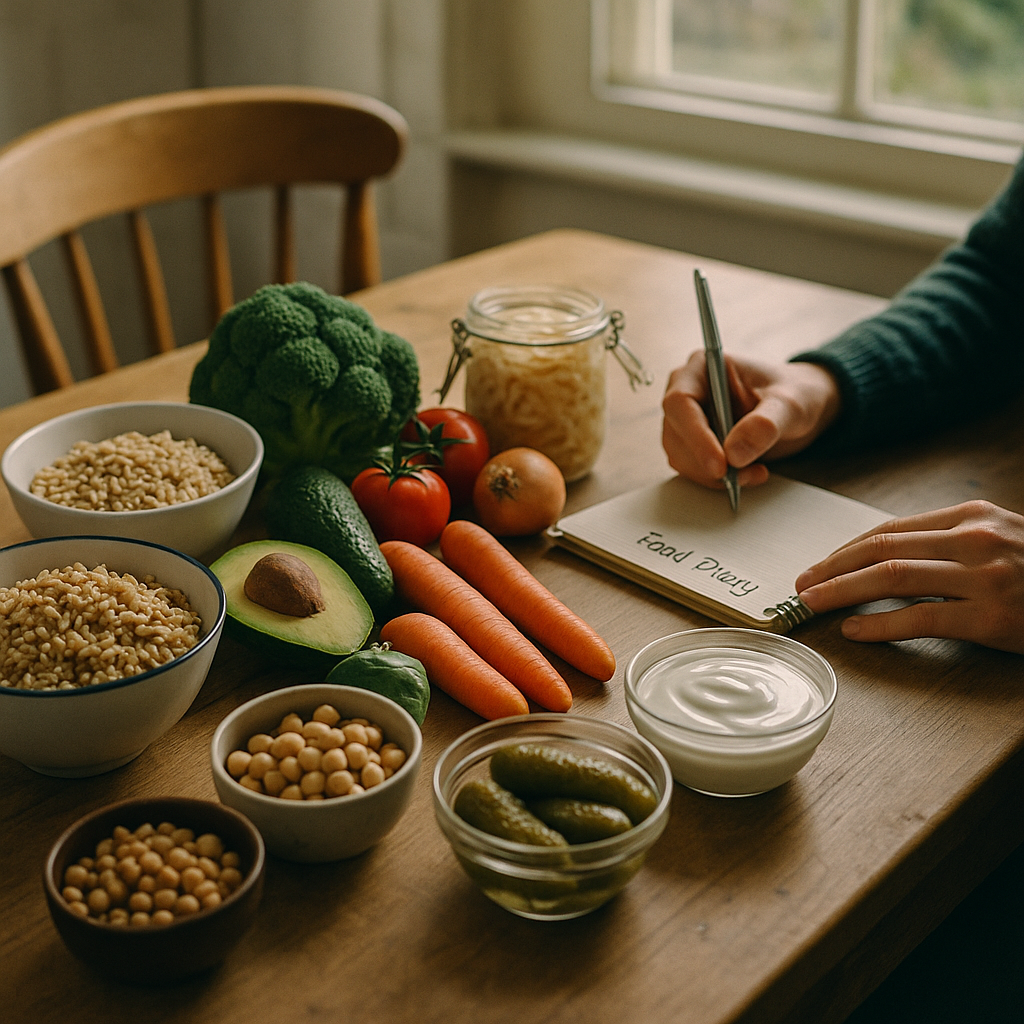
Food diaries are a low cost way to build a clearer picture of how the body reacts. By noting what is eaten and how the stomach feels afterwards, patterns can emerge. This can be particularly useful for residents who suspect certain foods might be triggering discomfort but are unsure which ones.
When to seek medical advice
While many digestive niggles can be eased with lifestyle adjustments, there are times when professional help is essential. Persistent pain, unintentional weight loss, blood in the stool or difficulty swallowing should never be ignored. Local surgeries continue to encourage residents to come forward with concerns, stressing that early conversations can make a real difference.

Gut health FAQs
What are the first signs that my gut health might be off?
Common early signs include regular bloating, gas, constipation or loose stools, alongside feeling unusually tired or sluggish. Occasional symptoms are normal, but if they become frequent or start to affect daily routines, it can be worth keeping a simple food and symptom diary and speaking with a pharmacist or GP for tailored advice.
Can improving gut health really affect my mood?
Researchers increasingly believe there is a strong link between the gut and the brain. While it is not a cure for anxiety or low mood, a varied diet rich in fibre, fermented foods and adequate hydration may support more stable energy and mood. Good sleep, regular movement and stress management work alongside this, rather than in isolation.
Do I need supplements to look after my gut health?
Many people can support their gut through food, sleep, movement and stress reduction alone. Supplements may be helpful in specific situations, but they are not automatically required. Before spending money on capsules or powders, it is sensible to review your usual meals and routines, then discuss any remaining concerns with a healthcare professional who knows your medical history.
Leave a Reply