Category: Local Stories

  • How Local Events Are Adapting With Digital Ticketing

    How Local Events Are Adapting With Digital Ticketing

    From village fetes to sold out gigs at the town hall, digital ticketing for local events is quietly reshaping how communities plan their days and nights out. Paper tickets and cash on the gate have not disappeared, but more organisers across the UK are turning to online systems to handle everything from bookings to last minute cancellations.
    Why digital ticketing for local events is on the rise

    For organisers, the biggest driver is simplicity. Digital systems allow them to list an event, set capacities and take payments in one place. That reduces queues at the door, cuts the need for change in the till and helps small volunteer teams stay on top of numbers. At the same time, residents are increasingly used to booking everything on their phones, from train journeys to haircuts, so reserving a seat at a local play or Sunday market feels like a natural next step.

    There is also a safety element. Knowing who is expected to attend and how many people have already booked helps organisers manage crowd control and staffing. In poor weather, or if a venue issue crops up, ticket holders can be contacted quickly with updates, something that is much harder when tickets are sold only in person.

    How local organisers are using new tools

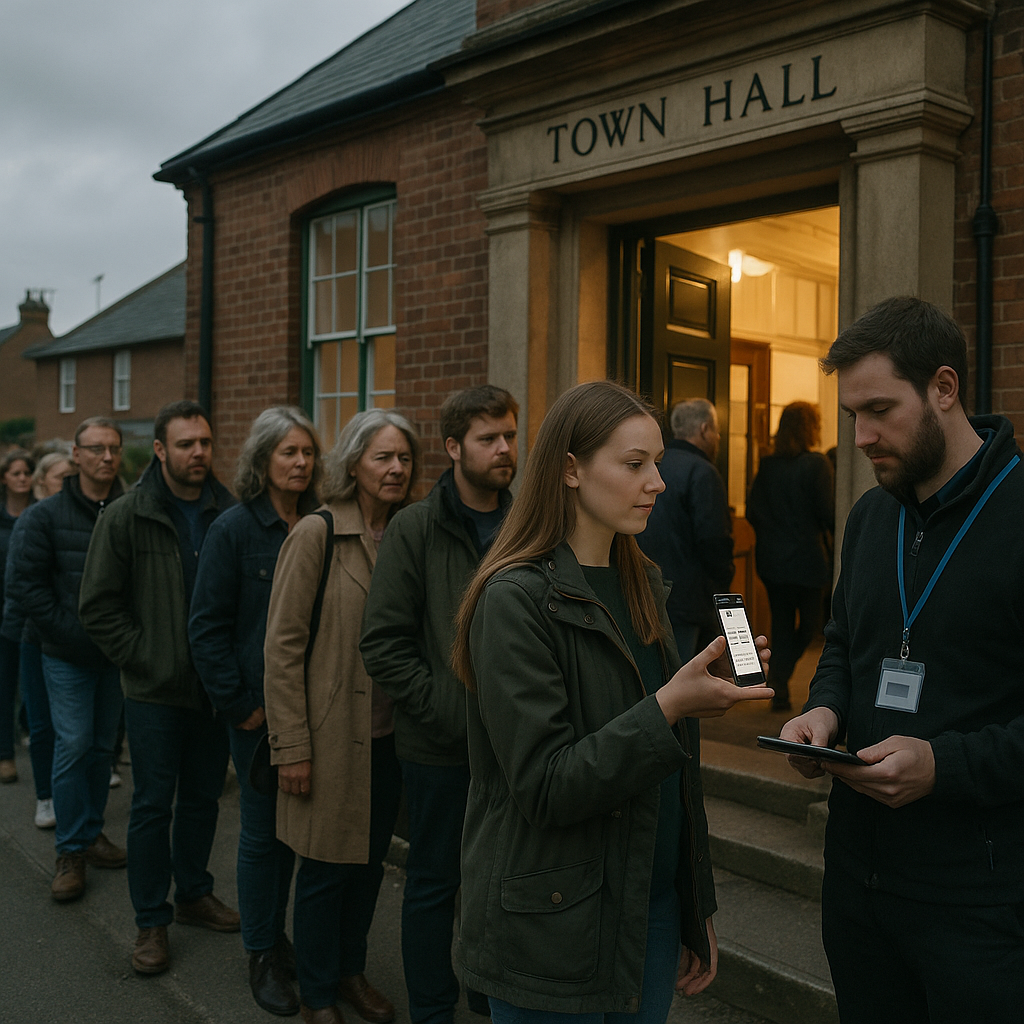
    Community groups are experimenting with different platforms to see what works best for their audiences. Some are opting for simple booking forms that issue email confirmations, while others use more advanced tools that generate scannable codes at the door. Local promoters and venue managers have begun working with providers such as Droptix to streamline their processes, particularly for standing gigs and club nights where capacity is tight.

    Sports clubs are also taking notice. Junior football tournaments and charity matches have started selling tickets online in advance, reducing the scramble for cash at the gate and helping clubs forecast food and drink orders. Arts societies are following suit, offering digital season passes that can be shown on a phone instead of printed and posted.

    The benefits for residents

    For residents, the shift to digital ticketing for local events brings a number of practical advantages. Tickets can be booked at any time of day, without needing to visit a box office or queue outside a venue. Families can reserve seats together, choose accessible areas where available and receive instant confirmation by email or text message.

    Digital tickets are also harder to lose. If a phone is misplaced or an email is deleted, most systems allow tickets to be resent. This is particularly helpful for busy parents juggling multiple events, or for older residents who may not want to keep track of small paper stubs.

    Challenges and concerns in the community

    Despite the benefits, the move towards online systems is not without concern. Some residents worry that those without smartphones or reliable internet access could be left behind. Organisers are responding by keeping a small allocation of pay-on-the-door tickets or offering telephone booking lines, ensuring that digital options sit alongside more traditional methods rather than replacing them outright.

    There are also questions about fees. Some platforms charge booking costs that can push up prices for attendees. Community groups are weighing up whether the convenience and reduced administration outweigh these extra charges, and many are actively seeking solutions that keep costs as low as possible.

    What this means for the future of local events

    Looking ahead, it seems likely that digital ticketing for local events will become a standard part of the local calendar. As more residents grow comfortable with online booking, organisers will be able to plan with greater confidence, knowing how many people to expect well before doors open.

    At the same time, the most successful events are likely to be those that keep inclusivity at the heart of their planning. That means offering both digital and offline options, providing clear instructions for those less familiar with technology and making sure that no one is turned away simply because they prefer to pay in cash.


    Volunteers scanning phones at a community football match using digital ticketing for local events
    Audience members in a theatre foyer presenting digital ticketing for local events at the box office

    Digital ticketing for local events FAQs

    Do I need a smartphone to use digital ticketing for local events?

    Not always. Many organisers allow tickets to be printed at home or collected at the venue with proof of purchase. Some events also keep a number of pay-on-the-door tickets aside for those who prefer to pay in person, so it is worth checking the event details in advance.

    Are digital tickets for local events more expensive than paper tickets?

    Prices depend on the organiser and the platform they use. Some systems add a small booking fee, while others build costs into the ticket price. Community groups often look for low fee options so that digital ticketing for local events remains affordable for residents.

    What happens if I delete my email with the digital ticket?

    In most cases you can log back into the booking system and resend the confirmation to yourself, or contact the organiser with your name and order details. They can usually find your purchase and help you access your ticket again before the event.


  • Rising Demand For Local Flooring As Households Refresh Their Homes

    Rising Demand For Local Flooring As Households Refresh Their Homes

    Across towns and cities in the UK, local flooring trends are shifting as households look to refresh tired interiors without committing to full-scale renovations. With more people working from home and spending longer indoors, floors are under closer scrutiny than ever, and local suppliers report a noticeable rise in enquiries.

    Local flooring trends driven by changing lifestyles

    Independent retailers say the biggest driver of change is how people now use their homes. Spare bedrooms have become offices, dining rooms double as play spaces and living rooms are expected to cope with everything from pets to home workouts. This has pushed durability and easy cleaning to the top of many wish lists.

    Hard-wearing vinyl and laminate remain popular, particularly in busy hallways and kitchens, but residents are also asking more questions about comfort and sound. Thicker underlays, cushioned vinyl and carpet tiles are increasingly requested in flats and terraced homes where noise can travel between rooms and neighbours.

    Retailers note that while budgets remain tight for many, there is a clear appetite for small, high-impact upgrades. Replacing flooring in one or two key rooms is seen as a manageable way to freshen up a property, especially ahead of hosting family gatherings or putting a home on the market.

    How local flooring trends are reshaping style choices

    In terms of appearance, natural and understated looks dominate. Wood-effect finishes continue to lead the way, with residents favouring warm oak tones over the cooler greys that were fashionable a few years ago. Herringbone and chevron patterns are also gaining ground, offering a more traditional, characterful feel without the price tag of solid wood.

    For bedrooms and living rooms, soft, textured carpets remain a firm favourite, particularly in neutral shades that work with a range of paint colours and furnishings. Retailers say many customers arrive with photos on their phones, keen to recreate looks they have seen in show homes or online, but often adapt those ideas once they see and feel samples in person.

    In smaller properties, there is a move towards using the same floor finish across open-plan areas to create a sense of space. Families with young children, meanwhile, tend to mix surfaces: easy-wipe flooring in play areas and kitchens, paired with carpet on stairs and in bedrooms for comfort and safety.

    Local businesses responding to demand

    As local flooring trends evolve, independent traders are adjusting their stock and services. Many now carry a wider range of mid-priced options, reflecting demand for value without sacrificing appearance. Home visit services, where staff bring samples to residents, have also become more common, helping customers judge colours and textures in their own light.

    Fitters report fuller diaries, particularly at weekends and during school holidays when households can better manage the disruption of work being carried out. Some businesses have introduced staged fitting – tackling one room at a time – to help families stay in their homes while floors are replaced.

    Local firm Macfloor is among those to note increased interest in practical, low-maintenance materials for rental properties and student lets, where landlords want robust surfaces that can cope with frequent turnover of occupants.

    Practical tips for residents planning new flooring

    Residents considering a change are being urged to plan carefully before committing. Measuring rooms accurately, checking subfloors for damp or uneven patches and thinking about how spaces are used day to day can all help avoid costly mistakes.

    Experts recommend collecting a small set of samples and living with them for a few days, moving them around the room at different times of day to see how they look in natural and artificial light. It is also worth testing how easily marks wipe away and how surfaces feel underfoot, especially in rooms where children play.

    When comparing quotes, householders are advised to look beyond the cost of the materials alone. Underlay, preparation work and fitting can significantly affect the final price, so written estimates that break down each element are useful. Checking lead times is equally important, as popular ranges can sell out quickly during busy periods.

    Residents comparing samples in a showroom reflecting local flooring trends
    Refurbished UK hallway showcasing wood-effect floors in line with local flooring trends

    Local flooring trends FAQs

    What are the most popular local flooring trends for living rooms?

    Warm wood-effect finishes and soft, neutral carpets are currently the most popular choices for living rooms. Residents favour options that balance comfort with durability, often choosing textured carpets for a cosy feel or herringbone-style laminates for a more traditional look.

    How can I choose flooring that suits a busy family home?

    For busy family homes, it helps to mix surfaces according to how each room is used. Hard-wearing vinyl or laminate works well in kitchens and hallways, while cushioned carpets are ideal for bedrooms and living areas. When following local flooring trends, always prioritise easy cleaning, stain resistance and slip resistance on stairs.

    Do I need a professional fitter for new flooring?

    Many residents choose professional fitters, especially for stairs, large rooms and patterned designs. While some products are marketed as suitable for DIY, poor fitting can shorten the life of the floor and affect its appearance. Getting a written quote that covers preparation, underlay and fitting can help you compare options with confidence.

  • Rise in Mobile Car Detailing Across UK Towns and Cities

    Rise in Mobile Car Detailing Across UK Towns and Cities

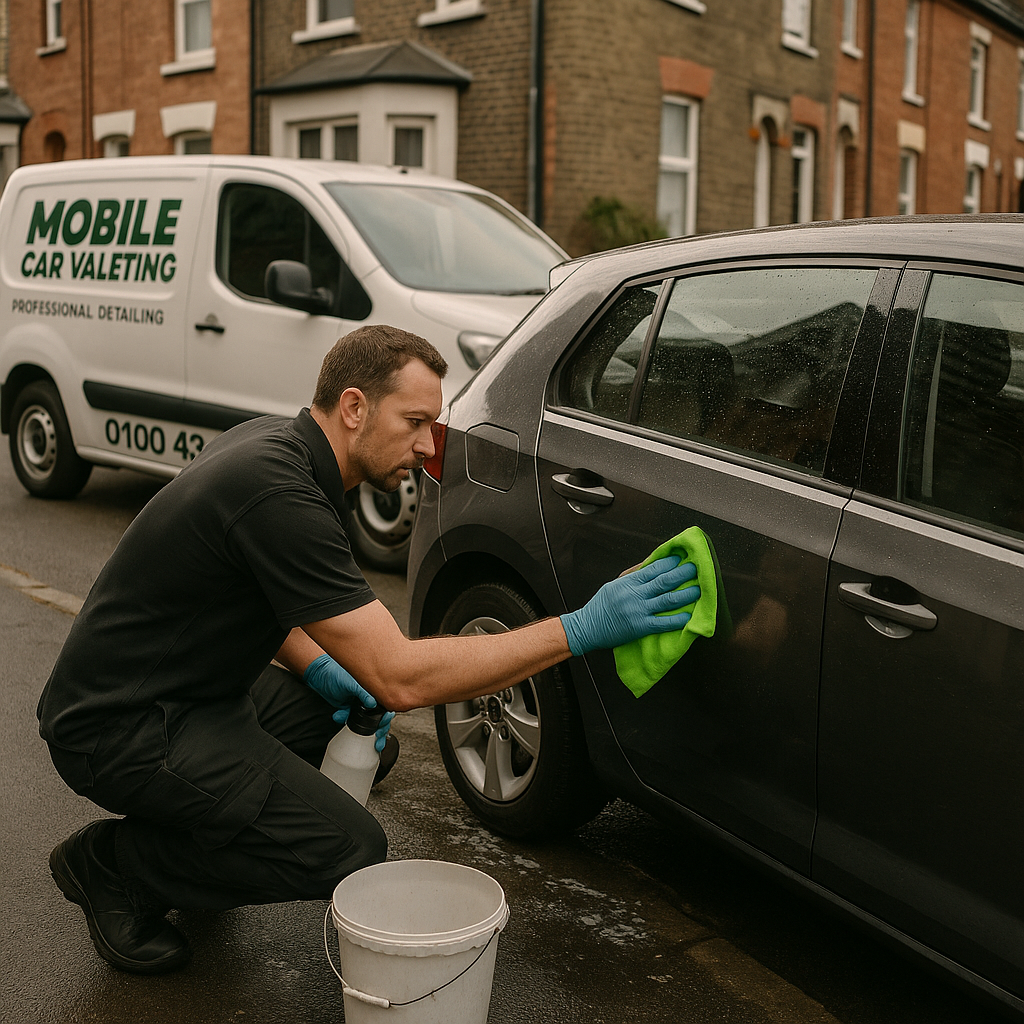
    Mobile car detailing is becoming an increasingly familiar sight on residential streets and business car parks, as more drivers opt for at-home and at-work vehicle care instead of traditional trips to the wash.

    What is driving demand for mobile car detailing?

    Local operators say convenience is the main reason residents are turning to mobile car detailing. Rather than booking time out of the day to visit a fixed-site wash, drivers can have their vehicles cleaned, polished and protected while they work or relax at home.

    Rising costs of owning and running a vehicle are also playing a role. Many motorists view regular detailing as a way to protect paintwork, interiors and resale value. With used car prices remaining relatively high, keeping a vehicle in good cosmetic condition is seen as a practical investment rather than a luxury.

    In many areas, workers in trades and delivery roles are frequent customers, relying on their vehicles for business and preferring not to lose hours waiting at busy hand-wash sites.

    How mobile car detailing services typically operate

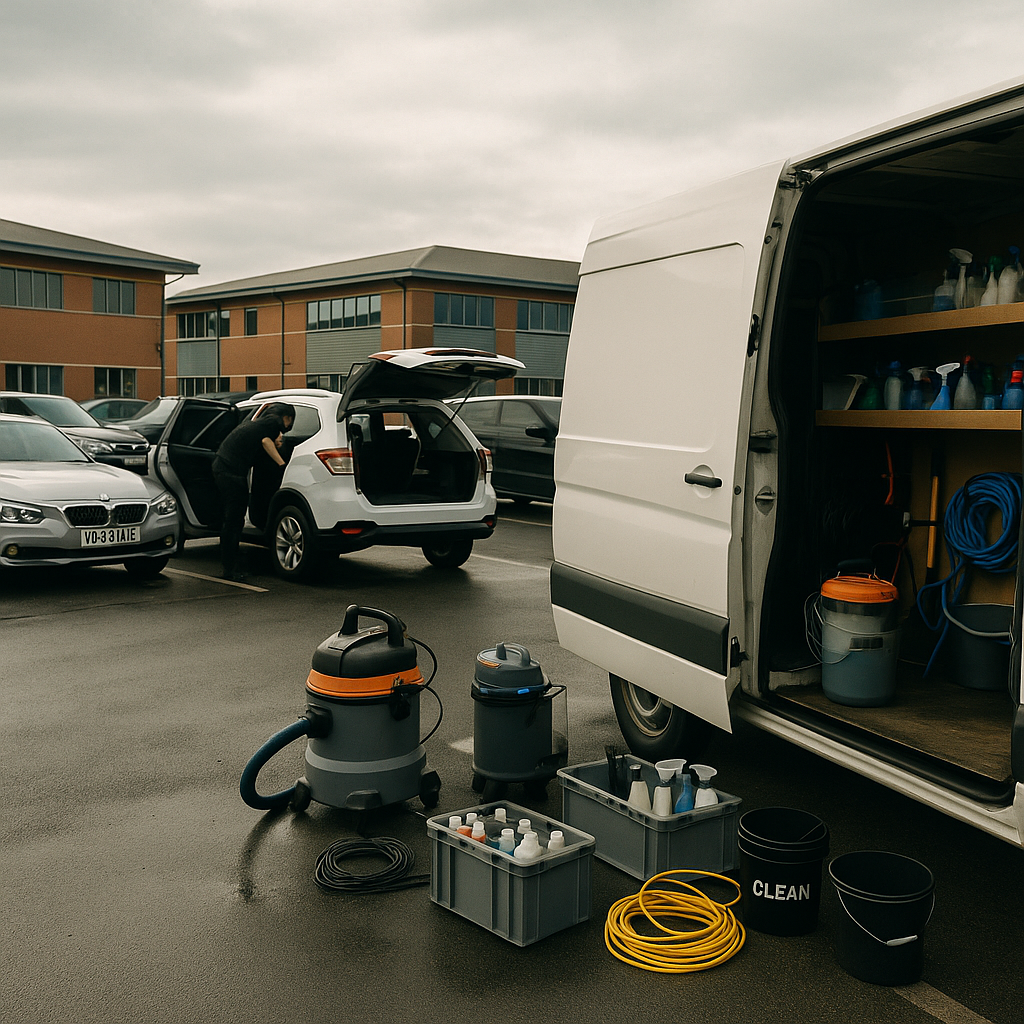
    Most mobile car detailing businesses operate fully equipped vans, carrying water, power, cleaning products and specialist tools. Bookings are usually taken online or by phone, with time slots allocated to specific postcodes or neighbourhoods.

    Standard packages often include exterior wash and wax, interior vacuuming, plastic and leather treatments and glass cleaning. At the higher end, operators may offer paint correction, machine polishing and long-lasting protective coatings.

    Some firms have begun working closely with local employers, visiting business parks and office sites on set days so staff can book vehicles in without leaving the workplace. This model has proved popular in towns where parking is limited and city-centre hand washes are under pressure from planning and environmental rules.

    Environmental concerns and water use

    With increased scrutiny on traditional hand car washes, mobile car detailing providers are keen to highlight their environmental credentials. Many now use low-water or waterless wash products, along with biodegradable shampoos and microfibre cloths that reduce run-off into drains.

    Some operators have invested in onboard water reclamation systems, allowing them to filter and reuse a portion of the water used on each job. While these systems are still relatively rare, industry observers expect to see wider adoption as regulations on water use and chemical discharge tighten.

    Local authorities are also watching the sector closely, particularly where operators work on public roads. Clearer guidance on drainage, waste disposal and noise is expected in the coming years as the market continues to grow.

    Impact on traditional car washes and local businesses

    The growth of mobile car detailing is being felt by bricks-and-mortar car washes, some of which report a shift in customer behaviour. Quick, low-cost exterior washes remain busy at weekends, but weekday trade has softened in certain areas as commuters book mobile services for more thorough cleans.

    Independent garages and used car dealers are among those adapting fastest, partnering with mobile detailers to prepare vehicles for sale or return. In some towns, bodyshops that once focused solely on accident repair now offer in-house detailing to compete with mobile operators.

    Industry figures say the sector still has room for both models, with mobile services catering to time-poor customers and fixed sites focusing on volume and lower price points.

    Technology and booking trends

    Technology is playing a growing role in how residents access these solutions. Many operators now use simple booking apps or web forms that allow customers to choose services, upload photos of their vehicle and pay in advance. Automated reminders and route planning tools help small teams cover wider areas efficiently.

    Social media remains a key marketing channel, with before-and-after photographs and short video clips used to demonstrate results. Word-of-mouth recommendations in local community groups have also been influential, particularly where operators build a reputation for reliability and careful work.

    For drivers seeking more traditional options, established firms still offer comprehensive valeting services from fixed premises, often alongside paintwork and wheel refurbishment.

    Worker polishing a car bonnet as part of mobile car detailing service
    Cars being cleaned in a business park during mobile car detailing appointments

    Mobile car detailing FAQs

    How long does a typical mobile car detailing appointment take?

    A standard mobile car detailing appointment that includes an exterior wash, interior vacuum, glass cleaning and basic protection usually takes between one and two hours, depending on the size and condition of the vehicle. More in-depth services, such as stain removal, pet hair extraction or machine polishing, can extend the visit to several hours. Most operators will outline expected timings when the booking is made so customers can plan around the appointment.

    Do mobile car detailers need access to water and electricity?

    Many mobile car detailers operate fully self-contained vans with their own water tanks and generators, so they do not need to plug into household supplies. Others may request access to an outdoor tap or socket, particularly for longer or more intensive jobs. It is worth checking this in advance when booking, especially if you live in a flat or have limited access to outside utilities.

    Is mobile car detailing suitable for leased or company cars?

    Mobile car detailing is often used by drivers of leased and company vehicles to keep interiors and paintwork in good condition and to reduce the risk of end-of-contract charges. Thorough cleaning can help remove light marks and everyday wear, while regular protection treatments make it easier to maintain the car over time. Drivers should always follow any specific guidance in their lease or company policy, but professional detailing is generally considered an acceptable form of maintenance.

  • What Next For Our High Streets After Shop And Bank Closures?

    What Next For Our High Streets After Shop And Bank Closures?

    Across towns and suburbs, high street shop and bank closures are changing the face of local centres. Familiar branches and long-standing independents have disappeared, replaced by shutters, to-let boards and temporary pop-ups. Behind each closure sits a mix of rising costs, changing habits and shifting priorities for both councils and landlords.

    Why high street shop and bank closures are accelerating

    The most visible losses have been bank branches. As more customers manage their money online or through apps, footfall at local branches has dropped. Banks, under pressure to cut costs, have responded by consolidating services into fewer locations, often leaving smaller parades without any physical presence.

    Retailers face a similar squeeze. Business rates, energy bills and staffing costs have climbed, while many shoppers now mix online orders with occasional in-person visits. For small independents, that combination can be difficult to survive, especially on streets where passing trade has already thinned out.

    Landlords are not immune either. Some bought properties when values were high and now rely on rents that local traders simply cannot afford. Others are tied up in complex ownership structures, slowing decisions and leaving units empty for months at a time.

    Council regeneration plans and new roles for high streets

    In response, councils are rethinking what a successful high street looks like. Instead of relying on rows of traditional shops and banks, regeneration plans increasingly focus on mixed use: homes above, services and social spaces below.

    Some authorities are buying vacant buildings outright to bring them back into use. Others are offering business rate relief, flexible leases or grants for refurbishing tired units. Public realm improvements are common – new paving, planting, lighting and seating – to make streets more welcoming and encourage people to linger.

    There is also a growing emphasis on essential services. Health hubs, libraries, advice centres and community kitchens are all being brought into central locations, filling gaps left by high street shop and bank closures and keeping footfall in the area throughout the day.

    What is realistically set to move into empty units?

    Despite the challenges, empty premises rarely stay vacant forever. The pattern of replacements is becoming clearer:

    • Food and drink – Cafes, bakeries, coffee shops and small restaurants often move into former retail units, trading on social experiences that cannot be replicated online.
    • Health and beauty – Barbers, salons, nail studios and treatment rooms continue to grow, as they depend on in-person appointments.
    • Gyms and fitness studios – Compact gyms, yoga spaces and specialist fitness providers are taking over larger former bank and department store units.
    • Professional services – Estate agents, accountants, mortgage brokers and small legal practices value visible, central locations.
    • Community and co-working spaces – Shared work hubs, artist studios and flexible community rooms are emerging where landlords accept more modest returns.

    On some streets, residential conversion is also on the cards. Larger, hard-to-let units are being turned into flats or mixed-use schemes, particularly on the upper floors above ground-level premises.

    Case studies: streets that have adapted and survived

    Several high streets provide useful lessons. In one suburban centre, the loss of two bank branches and a major chain store prompted a coordinated response. The council introduced short-term lets at reduced rates, matched with local entrepreneurs. Within a year, the former bank had become a health clinic and the old chain store was divided into three smaller units for a gym, a discount store and a family restaurant.

    Another town centre suffered a cluster of closures at one end of the street, creating a visible dead zone. Working with landlords, the council funded a refurbishment of shopfronts and relaxed planning rules to allow more food and leisure uses. A craft market, microbrewery taproom and independent cinema have since moved in, extending the evening economy and drawing people back through the area.

    In a coastal community, a parade hit hard by high street shop and bank closures has been repurposed as a hub for local makers. Former retail units now host a shared workshop, a gallery, a repair cafe and a weekly indoor market. The shift has not replaced every lost job, but it has given the street a clear identity and reason to visit.

    Renovation of old branch after high street shop and bank closures turning into a new community business
    Busy regenerated parade following high street shop and bank closures with new independent businesses

    High street shop and bank closures FAQs

    Why are so many banks closing on local high streets?

    Banks are closing branches because more customers now use online and mobile services, reducing the number of people visiting in person. At the same time, running physical branches is expensive, with property, staffing and security costs. To cut overheads, banks are consolidating into fewer locations, which often leaves smaller high streets without a local branch.

    What types of businesses are most likely to replace closed shops and banks?

    Empty units are most commonly taken over by food and drink venues, health and beauty services, gyms, professional offices and community or co-working spaces. These activities rely on in-person visits and experiences that cannot easily be moved online, making them better suited to modern high streets than some traditional retail models.

    Can council regeneration plans really revive struggling high streets?

    Council regeneration plans can make a significant difference when they are realistic and coordinated. Investing in public spaces, supporting flexible leases, encouraging mixed uses and bringing essential services into central locations all help to rebuild footfall. Success also depends on cooperation with landlords and local residents, so that changes reflect what the community actually needs.

  • Local Woodworking Businesses Embrace Digital Manufacturing

    Local Woodworking Businesses Embrace Digital Manufacturing

    Digital manufacturing in local woodworking is quietly reshaping workshops across the region, from small high street joiners to growing furniture makers on industrial estates.

    How digital tools are changing local workshops

    Walk into many local timber yards or cabinet shops today and you are as likely to see laptops and touchscreens as you are hand planes and chisels. Owners talk about software, file formats and data as readily as they discuss hardwood species. This shift is not about replacing craft, they insist, but about adding new tools to keep pace with customer expectations and tight deadlines.

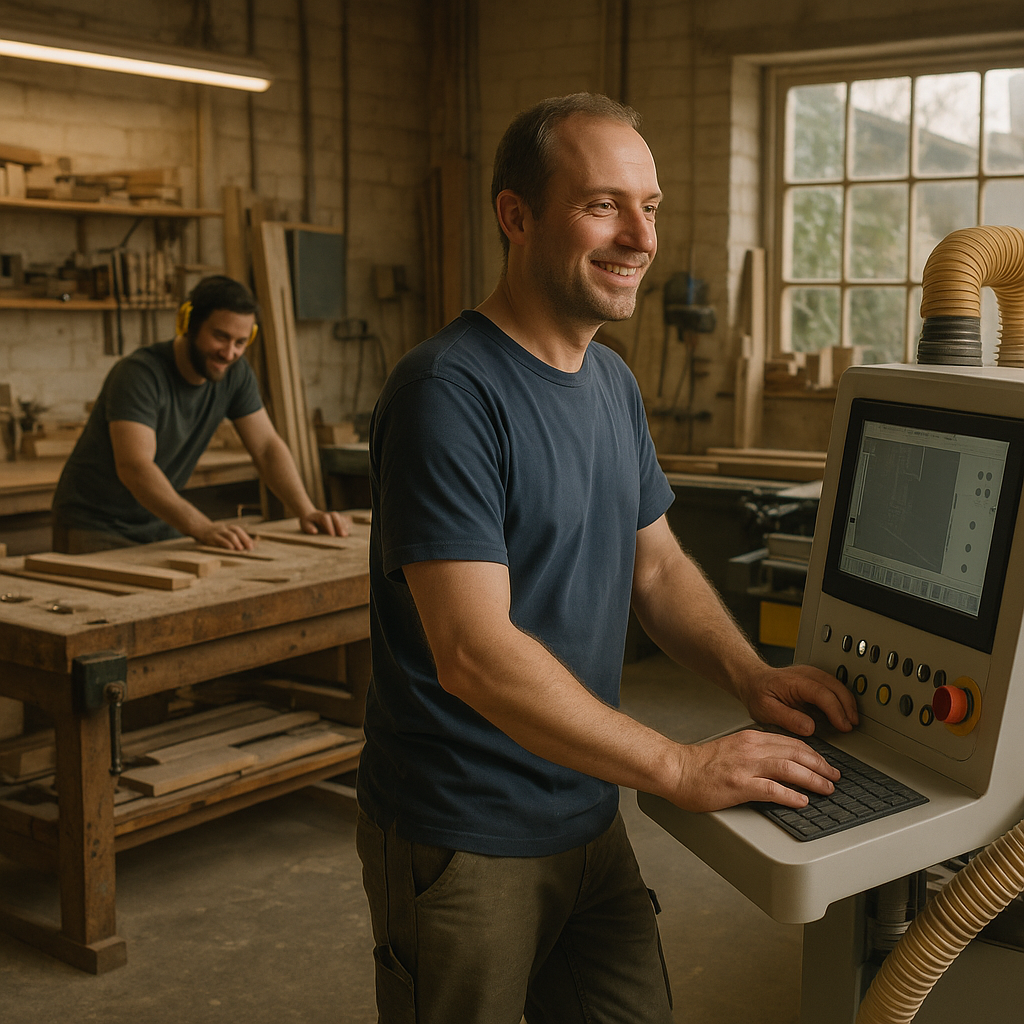
    Computer controlled cutting and routing, digital measuring systems and design software now sit alongside traditional benches. Some firms have invested in advanced equipment such as cnc machines, while others focus on more modest upgrades like digital panel saw readouts or 3D design programmes that help clients visualise kitchens and built in storage before a single board is cut.

    Why digital manufacturing in local woodworking is growing

    Several factors are driving this move towards digital manufacturing in local woodworking. Local businesses report that customers increasingly expect fast turnaround, accurate repeat work and the ability to tweak designs late in the process. Digital workflows make it easier to store drawings, reuse popular layouts and adjust dimensions without starting again from scratch.

    Rising material costs are another pressure. Offcuts that once ended up in the skip can now be planned into nested cutting layouts, reducing waste and squeezing more value from every sheet of ply or MDF. For small firms working on narrow margins, those savings can be the difference between profit and loss on a project.

    Impact on jobs and traditional skills

    The spread of digital manufacturing in local woodworking has raised questions about what it means for traditional trades. Local college tutors say interest in joinery and carpentry courses remains strong, but students now expect to learn both hand skills and digital techniques. Lesson plans that once centred on mortice and tenon joints now share space with computer aided design and basic programming for automated equipment.

    Workshop owners tell a similar story. Experienced bench joiners are still in demand for installation, fine fitting and problem solving on site. At the same time, there is a growing need for staff who are comfortable moving between the bench and the computer, preparing drawings, checking measurements on screen and setting up machines safely.

    Challenges for small firms adopting new technology

    Despite the benefits, the transition to digital manufacturing in local woodworking is not straightforward. Upfront costs can be significant, particularly for very small family firms. Some owners are wary of taking on finance for equipment they fear they may not fully use, or of relying on complex systems that could halt production if they fail.

    There are also training and safety considerations. New equipment often requires formal instruction, and some businesses are finding it hard to release staff for courses while keeping up with day to day work. Insurance and risk assessments must be updated, and older premises sometimes need electrical upgrades or layout changes to accommodate new machinery safely.

    What this means for local customers

    For householders and local businesses commissioning work, the rise of digital manufacturing in local woodworking is already visible. Quotes increasingly arrive with 3D visuals attached, showing wardrobes in situ or shop counters laid out to scale. Lead times on repeat items, such as replacement doors or additional shelving, are often shorter because designs are stored and easily recalled.

    At the same time, many firms are keen to stress that the personal service associated with local trades is not disappearing. Site visits, careful measuring and one to one discussions about finishes and detailing remain central to how work is won. The difference is that behind the scenes, more of that conversation is now translated into digital files and data, shaping how timber is cut and assembled.

    As more workshops modernise, the blend of craft and technology looks set to become a defining feature of the local joinery scene, with the character of handmade work supported rather than replaced by digital tools.

    Local furniture maker checking a 3D design on screen showing the rise of digital manufacturing in local woodworking
    Apprentices learning both hand skills and software as part of digital manufacturing in local woodworking

    Digital manufacturing in local woodworking FAQs

    Will digital manufacturing in local woodworking make traditional joiners redundant?

    Local employers say no. While more work is planned and prepared on computers, they still rely on skilled joiners for fitting, finishing and solving problems on site. The trend is towards mixed roles, where staff use both hand tools and digital systems rather than one replacing the other.

    How does digital manufacturing in local woodworking affect project costs?

    Workshop owners report that digital planning can reduce waste and speed up repetitive tasks, which helps control overall costs. However, investment in new equipment and training can be significant, so savings tend to appear gradually rather than immediately.

    Can small family firms benefit from digital manufacturing in local woodworking?

    Yes, many smaller firms are adopting digital tools in stages, starting with design software or simple measuring upgrades before considering larger machinery. This step by step approach allows them to test what works for their business while keeping the familiar, personal service that local customers value.