

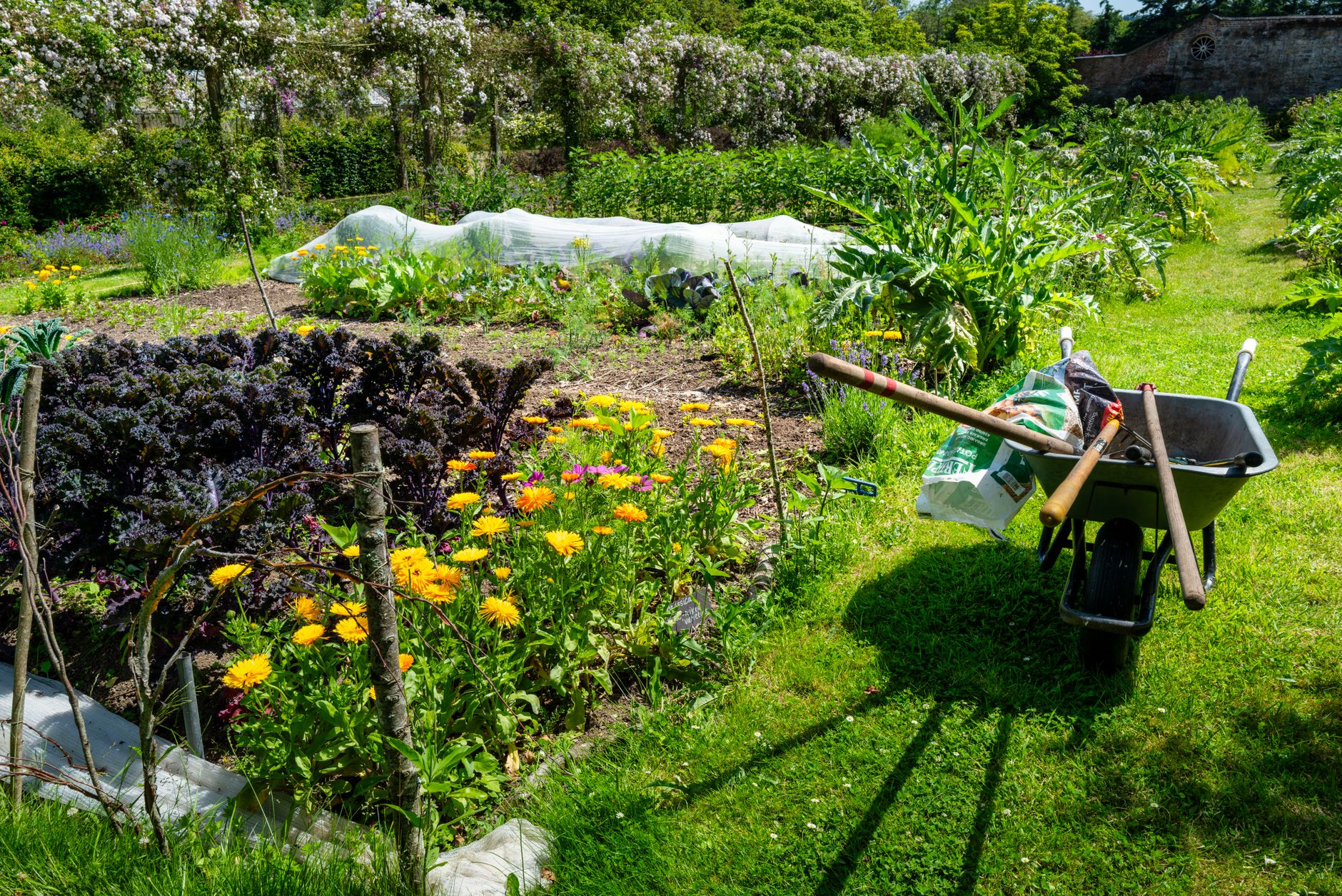
In some parts of Britain, putting your name down for an allotment plot today means you might not get one until your children are old enough to help you dig it. That is not an exaggeration. Allotment waiting lists UK-wide have grown to extraordinary lengths in recent years, with some London boroughs reporting waits of five to seven years, and councils in cities like Bristol, Leeds and Edinburgh logging thousands of names on their registers. I’ve spoken to gardeners who applied in 2020 and still haven’t heard anything. The demand is real, and in most places, the supply simply hasn’t kept up.
So what is actually driving this? And more to the point, what are councils doing about it?
Why demand for allotments has surged so sharply
The pandemic reset how a lot of people think about food, outdoor space and self-sufficiency. Growing your own vegetables stopped feeling like a quaint hobby and started looking like a practical skill. According to the National Allotment Society, membership enquiries rose significantly from 2020 onwards and have not dropped back to pre-pandemic levels. Cost of living pressures since then have kept that interest high. A family that can grow its own tomatoes, courgettes, and salad leaves through summer is cutting a real chunk from its weekly shopping bill.
There is also a mental health dimension. GPs across England are increasingly referring patients to outdoor activities and community growing schemes as part of social prescribing programmes, which I covered in a separate piece on shared food schemes and community growing. The therapeutic value of getting your hands in the soil is no longer dismissed as anecdotal; it is being built into NHS thinking. That has pushed demand even further.
Then there is the housing factor. More people live in flats now than a generation ago, particularly in cities. No garden means allotment plots are the only realistic option for anyone who wants to grow food. In areas of dense housing, even a small 5-rod plot is precious.
How long are the waits, realistically?
The honest answer is: it varies enormously, and councils are not always transparent about it. Some publish waiting list numbers; many don’t. A Freedom of Information request compiled by Gardeners’ World Magazine in 2024 found that more than 150,000 people were waiting for allotment plots across England alone. In inner London, average waits in some boroughs exceeded five years. In rural areas with lower population density and more land available, waits might be twelve to eighteen months, which is still a long time but considerably more manageable.
What makes allotment waiting lists UK-wide particularly frustrating is that the demand is not evenly spread, and neither is the provision. Some councils have actively invested in new sites; others have allowed plots to sit unmanaged or even sold off allotment land for development. Under the Smallholdings and Allotments Act 1908, local authorities in England and Wales have a statutory duty to provide allotments if there is “sufficient demand” from residents. That phrase is doing a lot of legal heavy lifting and councils interpret it differently.
Which councils are actually creating new allotment sites?
A handful of councils deserve credit for taking the problem seriously. Bristol City Council has opened new plots at several community growing sites over the past two years, partly in partnership with local charities. Nottingham has worked with housing associations to incorporate growing spaces into new residential developments. Leeds City Council has a formal waiting list management policy that includes regular audits of underused plots.
Some of the most creative solutions are coming not from large city councils but from smaller district and borough authorities. Stroud District Council in Gloucestershire, for example, has a strong track record of supporting community-led allotment schemes on land it does not own outright, effectively brokering arrangements between landowners and growers. That kind of flexible thinking matters because the constraint is rarely just money; it is available land close enough to where people actually live.
Community energy cooperatives and land trusts have also stepped in where councils haven’t. I’ve seen local groups in the Midlands and South West take on long-term leases of agricultural land to create community growing spaces that sit outside the formal council allotment system entirely. They are not technically allotments in the statutory sense, but they function the same way. This mirrors the broader pattern of communities building their own infrastructure when local authority provision falls short, something I’ve written about previously in the context of community energy schemes and how towns generate their own power when the grid doesn’t serve them.
What residents can do while they wait
First, get on the list. That sounds obvious, but many people assume the wait is hopeless and never apply. You should register with your local council as soon as possible; the date you join the list is what matters. Most councils manage this through their website or parks department.
While you wait, there are options. Community gardens are distinct from allotments and often have easier access. Some operate on a shared model where members tend a collective plot rather than having their own individual space. The Incredible Edible network, which started in Todmorden, West Yorkshire, has grown into a national movement of community growing projects in public spaces, and local groups affiliated with it sometimes have room for new volunteers who can work towards their own growing knowledge.
Guerrilla gardening is not everyone’s cup of tea legally, but growing on neglected public land in informal arrangements has a long history in UK cities. More practically, some allotment associations allow plot-sharing: someone with a plot they cannot fully manage pairs up with a person on the waiting list. It is worth contacting your local allotment association directly to ask whether this is possible.
If you have any outdoor space at all, even a small patio or balcony, container growing can be surprisingly productive. It is not the same as a full plot, but growing tomatoes, herbs, and salad leaves in pots keeps the habit alive while you wait.
The planning angle
Some campaigners argue that allotment provision should be written into planning policy more firmly. At present, developers are sometimes required to include public open space in new housing schemes, but allotment plots are rarely specified. There is a push, backed by the National Allotment Society, to make dedicated growing space a standard requirement in large residential developments. Whether that gains legislative traction depends on how much political will exists at both national and local level.
In the meantime, communities that feel their council is not meeting its statutory duty have a right to challenge it. The first step is usually a formal complaint to the council itself; if that fails, the Local Government Ombudsman can investigate. It rarely gets that far, but the legal obligation is real. It is worth being aware of it, particularly in areas where councils have sold allotment land rather than protecting it. Planning decisions like that rarely happen quietly, and knowing your rights around appeals and objections can matter, as I explored in an earlier piece on planning permission appeals and what they cost homeowners.
Allotment waiting lists UK-wide are a symptom of a wider tension between growing demand for community space and a planning and local government system that has been slow to adapt. The interest in growing food is not going away. The question is whether councils treat it as a passing trend or as a genuine infrastructure need. Right now, in too many places, the answer is clear from the length of the list.
Frequently Asked Questions
How do I join an allotment waiting list in the UK?
Contact your local council’s parks or leisure department, either through their website or by phone. Most councils hold a centralised waiting list and will register you by name and address. The date you join the list determines your priority, so apply as soon as possible even if the wait seems long.
How long is the average wait for an allotment in the UK?
It varies considerably by location. In inner London boroughs, waits of five to seven years are not unusual. In smaller towns and rural areas, waits tend to be shorter, typically one to three years. Some high-demand cities like Bristol and Leeds have thousands of names on their registers.
Are councils legally required to provide allotments?
Yes, under the Smallholdings and Allotments Act 1908, local authorities in England and Wales have a statutory duty to provide allotment land if there is sufficient demand from residents. In practice, how ‘sufficient demand’ is interpreted varies, and enforcement has been inconsistent.
What can I do while I wait for an allotment plot?
You can join a community garden, explore plot-sharing arrangements with existing allotment holders, or grow in containers on a balcony or patio. Contacting your local allotment association directly is worthwhile as some plots become available through informal arrangements before the official list moves.
Can a council sell off allotment land for development?
Councils can apply to the Secretary of State for permission to sell statutory allotment land, but this requires ministerial consent and is supposed to take local demand into account. Community groups have successfully challenged or delayed such sales by demonstrating unmet local need and using the formal planning objection process.
Leave a Reply